Overview and Notes ✨️✨️✨️👑Finch
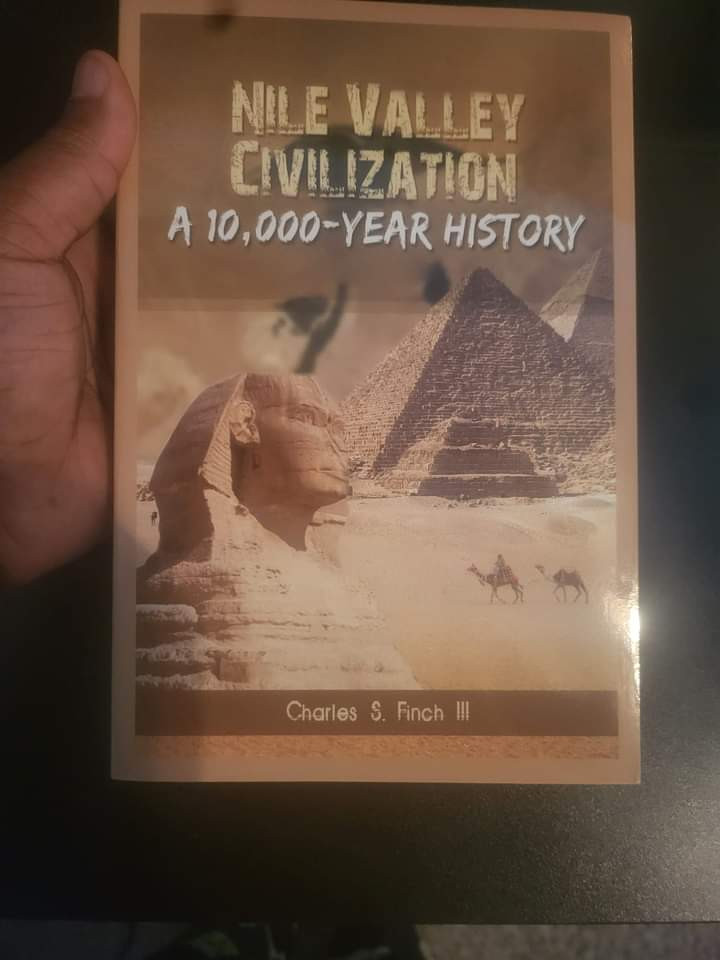
"Nile Valley Civilizations: A 10,000 Year History" by Charles Finch explores the rich and complex history of the civilizations that flourished along the Nile River. Here are some pivotal points from the book:
1. **Geographical Significance**: The Nile River's predictable flooding and fertile banks were crucial for agriculture, enabling early settlements and the rise of civilization.
2. **Cultural Development**: The book discusses how art, religion, and social structures evolved over millennia, reflecting the values and beliefs of the Nile Valley's inhabitants.
3. **Political Evolution**: Finch outlines the formation of early states and kingdoms, including the unification of Upper and Lower Egypt, which laid the groundwork for the ancient Egyptian civilization.
4. **Technological Advancements**: The development of writing systems, architectural techniques, and agricultural practices played a significant role in societal progress.
5. **Trade and Interaction**: The book highlights trade routes along the Nile and interactions with neighboring cultures, which influenced the exchange of goods, ideas, and technologies.
6. **Religious Practices**: The role of religion, including the worship of gods and the significance of the afterlife, is explored as a central aspect of daily life and governance.
7. **Impact of Foreign Invasions**: Finch addresses how invasions and foreign rule, such as the Assyrians, Persians, and later the Greeks and Romans, affected the continuity and change within Nile Valley civilizations.
8. **Legacy and Influence**: The lasting impact of Nile Valley civilizations on subsequent cultures, both in Africa and beyond, is a key theme, emphasizing their contributions to art, science, and philosophy.
These points encapsulate the book's exploration of the complexities and enduring significance of the Nile Valley civilizations throughout history...