
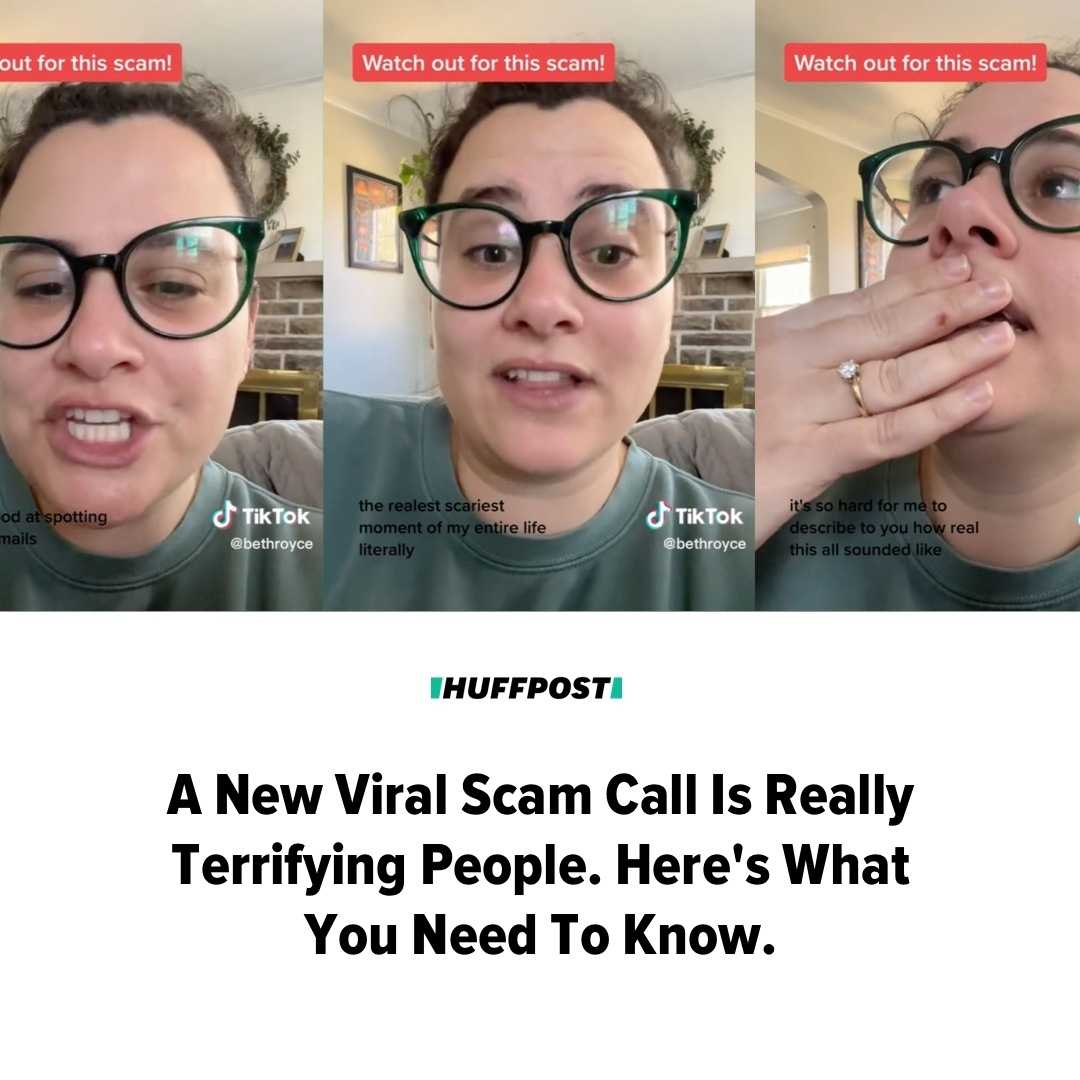
A few weeks ago in Pittsburgh, Beth Royce said she woke up to an early morning call. Her phone lit up with her younger sister’s contact info and photo, so Royce answered. But it was not her sister’s voice on the other end of the line.
Instead, Royce said she heard an unfamiliar male voice say, “I got this girl and I’m going to kill her if you don’t send me money.” The man cautioned her not to contact the police or he would “shoot the sister in the head.” A petrified Royce silently signaled her mother, who was in town visiting, and continued talking.
“He sounded crazy. I heard muffled sobs in the background that sounded like a woman’s voice, so of course I thought this was my sister,” Royce said.
Over the 16-minute conversation, the voice demanded money via Cash App or Zelle, and she sent a total of $1,000. Meanwhile, her mother contacted her sister separately and learned she was safe in her apartment in Seattle.
Though it sounds like the start of a horror movie, Royce, who painfully recounted the experience in a now-viral TikTok and in an interview with HuffPost, was the victim of a fresh trend of personalized scams that target people using their loved ones’ names and information — possibly even, as in Royce’s case, the photo they use with their iPhone profile.
“I never fall for anything. And this was like the realest, scariest moment of my entire life, literally,” she said in her TikTok.
Last week, the FBI office in Miami issued a public warning advising people to be aware of the similar “grandparent fraud scam,” which is becoming increasingly common, according to supervisory Special Agent Zacharia Baldwin.
That scam targets older people who are told in a phone call that a grandchild identified by name is under arrest and needs bail money, or some similarly fabricated emergency, the FBI said. They are then instructed to wrap money in a certain way and give it to a ride-hailing service driver.








ONAWA X
删除评论
您确定要删除此评论吗?
D Reigns
删除评论
您确定要删除此评论吗?