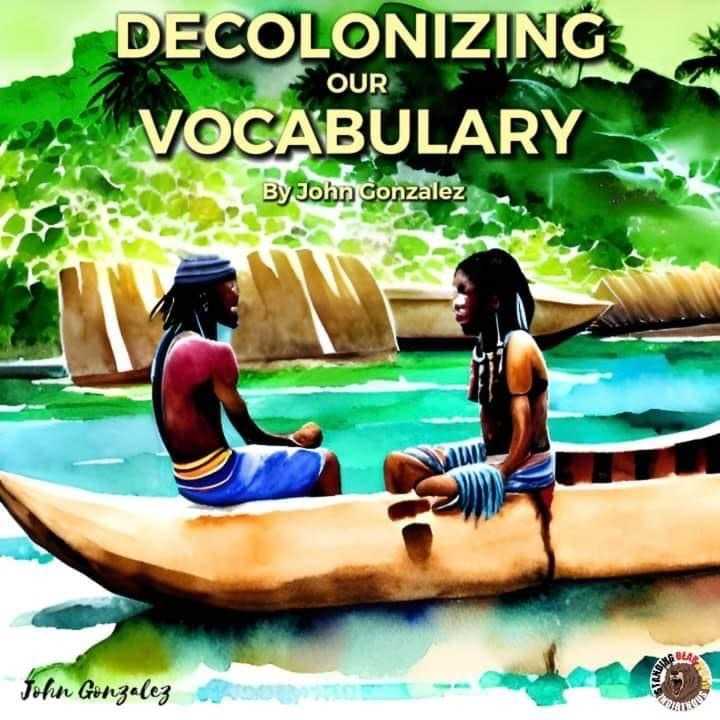
The origin of word “canoe” comes not from the Spanish, but from the indigenous Taìno people of the Caribbean, “kanowa,” or “dugout canoe.” Taìno were first contacted in 1492 and are a part of the Arawakan language group of northeastern South America and the Greater Antilles, who used the word “kanoa”. The Taíno people used canoes to travel through the rivers and waterways of the Caribbean islands. These canoes were dug out from tree trunks and could carry multiple passengers and supplies. The word “kanowa” in the Taíno language refers specifically to the dugout canoe, which is the precursor to the modern canoe. This method of transportation allowed the Taíno people to navigate their environment with ease and was crucial to their survival and way of life. The word “canoe” is just one example of how language can be used to empower the stories and perspectives of indigenous peoples.Other english words derived from Taíno language include barbecue, caiman, cassava, cay, guava, hammock, hurricane, hutia, iguana, macana, maize, manatee, mangrove, maroon, potato, savanna, and tobacco.
When we decolonize our vocabulary, we are helping to elevate indigenous voices and correct the historical record of marginalized communities.