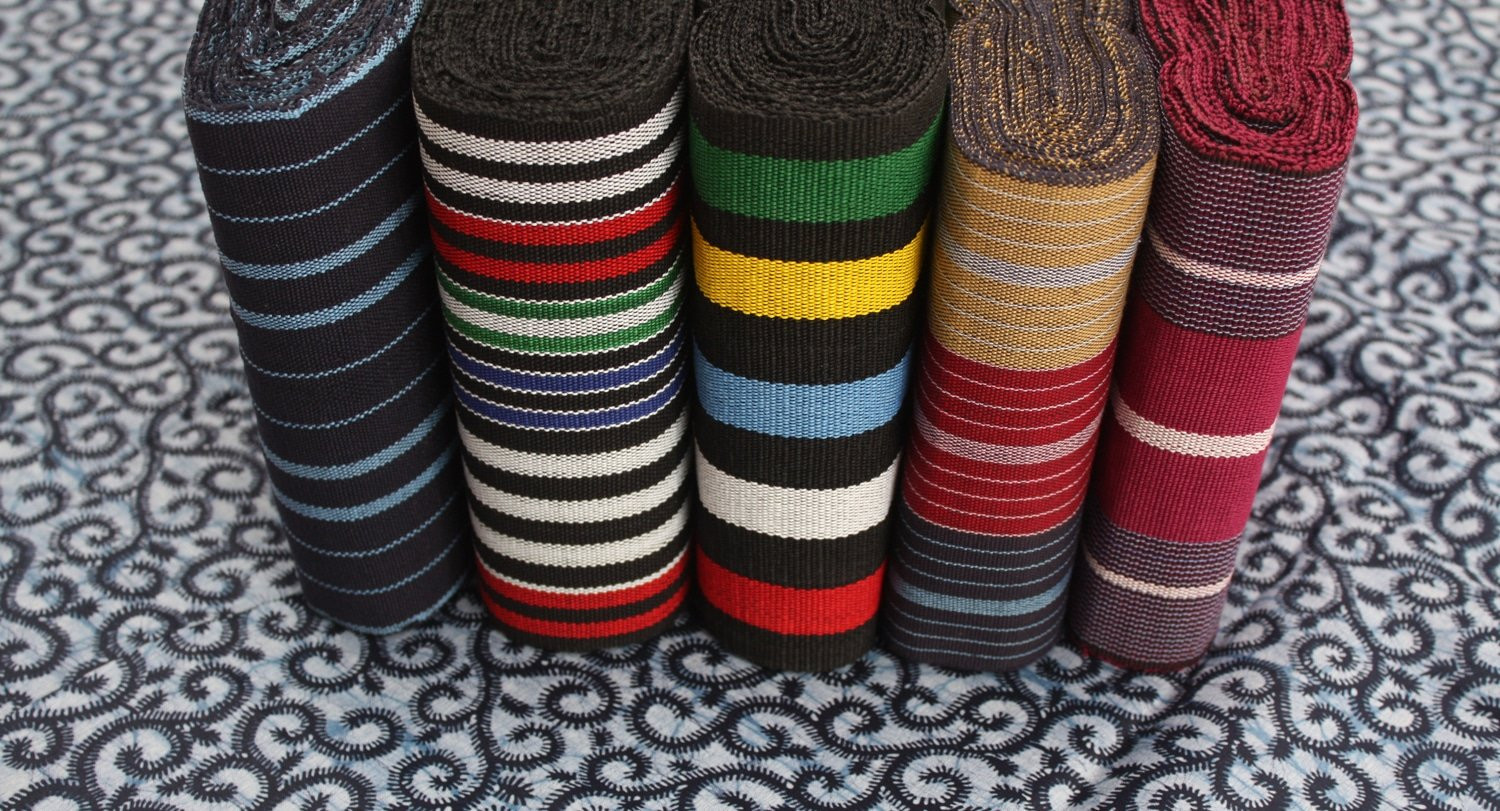
Aso Oke is a traditional handwoven fabric that holds great significance in Nigerian culture, particularly among the Yoruba people. The term "Aso Oke" translates to "top cloth" in the Yoruba language, highlighting its status as a prestigious fabric often worn for special occasions and celebrations.
The art of creating Aso Oke has been passed down through generations, with skilled weavers meticulously crafting the fabric on narrow wooden looms. It is typically made from locally sourced cotton or silk yarns, which are spun, dyed, and then woven into intricate patterns and designs.
The patterns and colors of Aso Oke hold symbolic meaning, representing different themes such as prosperity, fertility, spirituality, or social status. The fabric is often characterized by vibrant hues, bold geometric motifs, and intricate detailing, showcasing the rich artistic heritage of the Yoruba people.
Aso Oke is widely worn during significant cultural events like weddings, naming ceremonies, and festivals. It adorns both men and women, with women often draping it as wrappers (iro) or using it to create elaborate headties (gele), while men commonly wear it as robes (agbada) or caps (fila).
In addition to its cultural significance, Aso Oke has gained international recognition for its beauty and craftsmanship. It has become a source of pride and identity for Nigerians, and its popularity continues to grow as a symbol of African heritage and fashion.