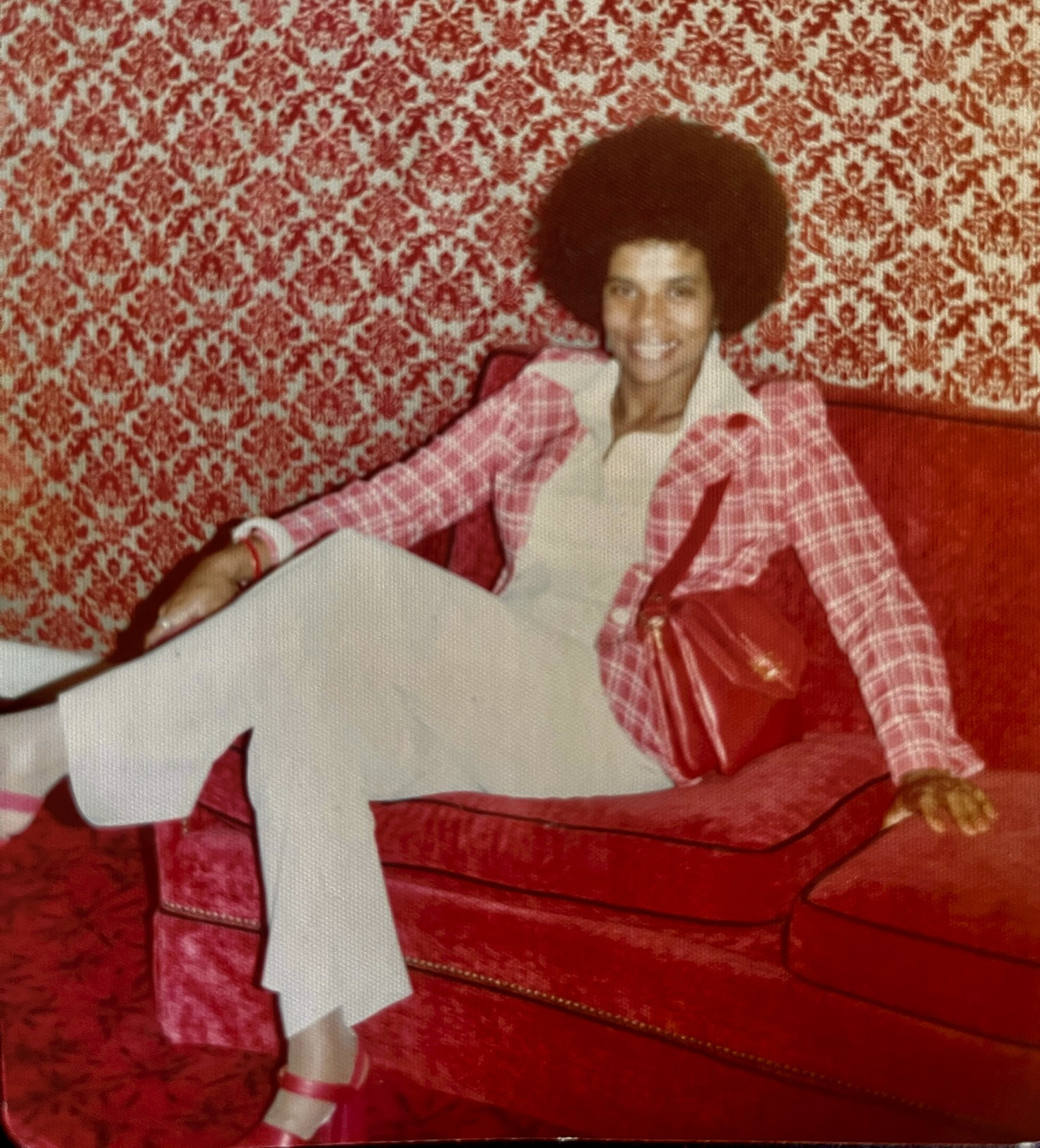
My beautiful mother! Miss you! 💔❤️ RIP...
Like
Comment
Share
My beautiful mother! Miss you! 💔❤️ RIP...






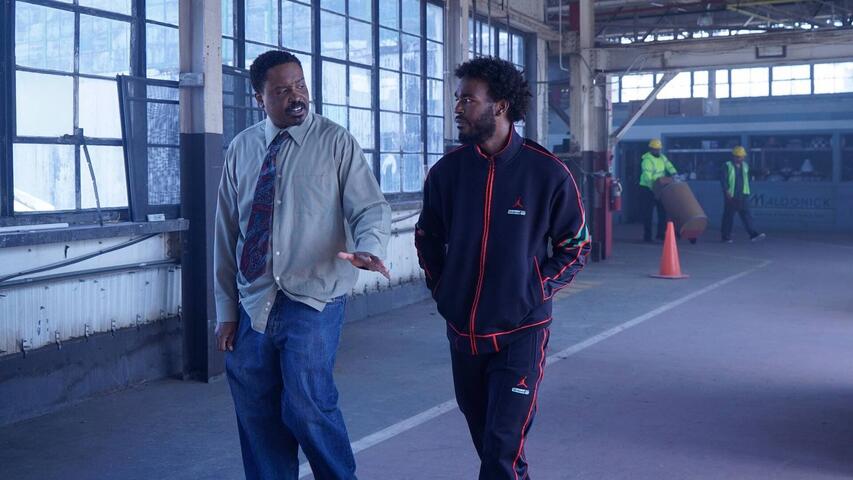
The Chi - S04E05 - The Spook Who Sat By The Door : https://trakt.tv/shows/the-chi..../seasons/4/episodes/

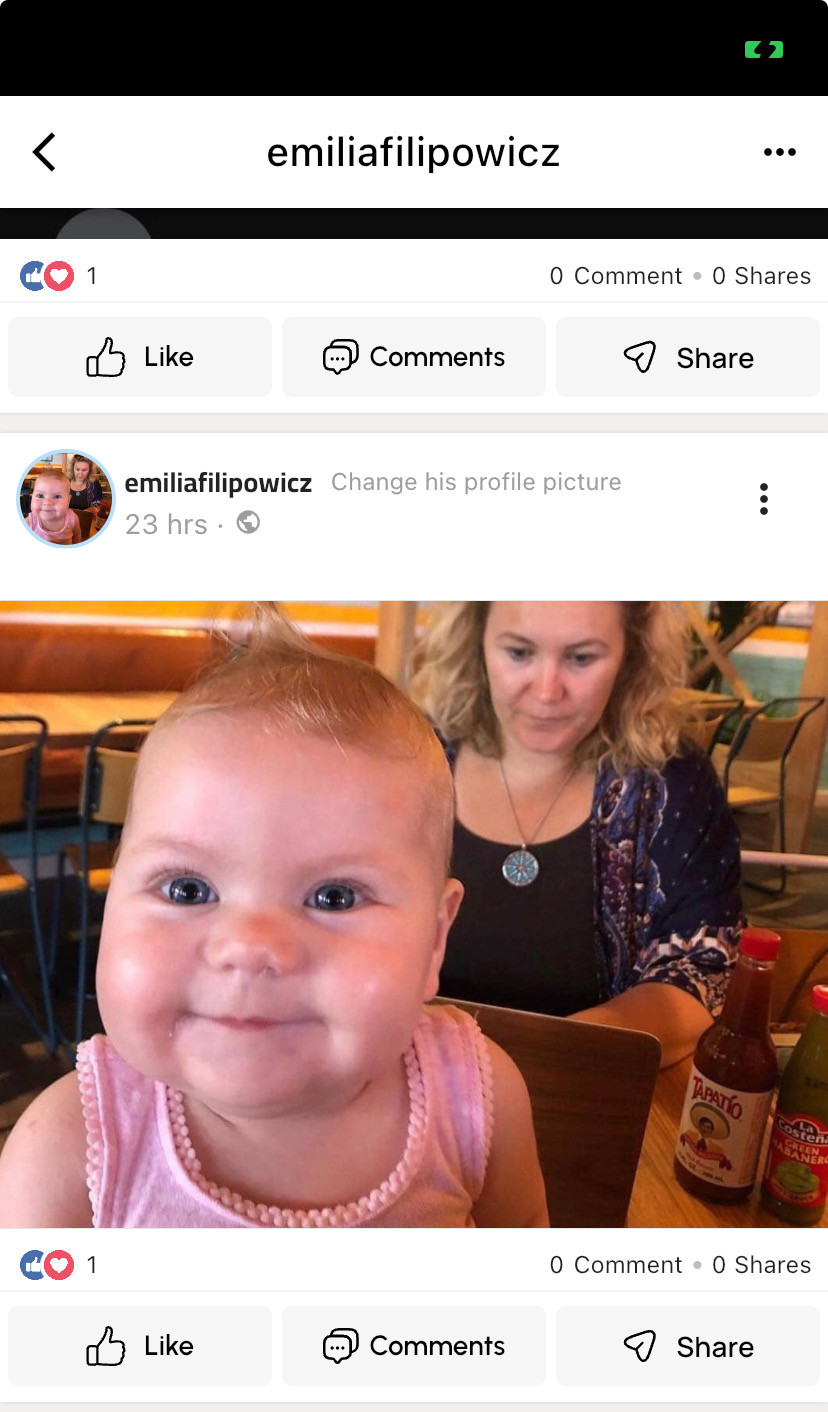
Who the fuck let Becky in? And she got the nerve to be following me. Unhand my profile bitch!!! 😡😡😡
**bites lip**



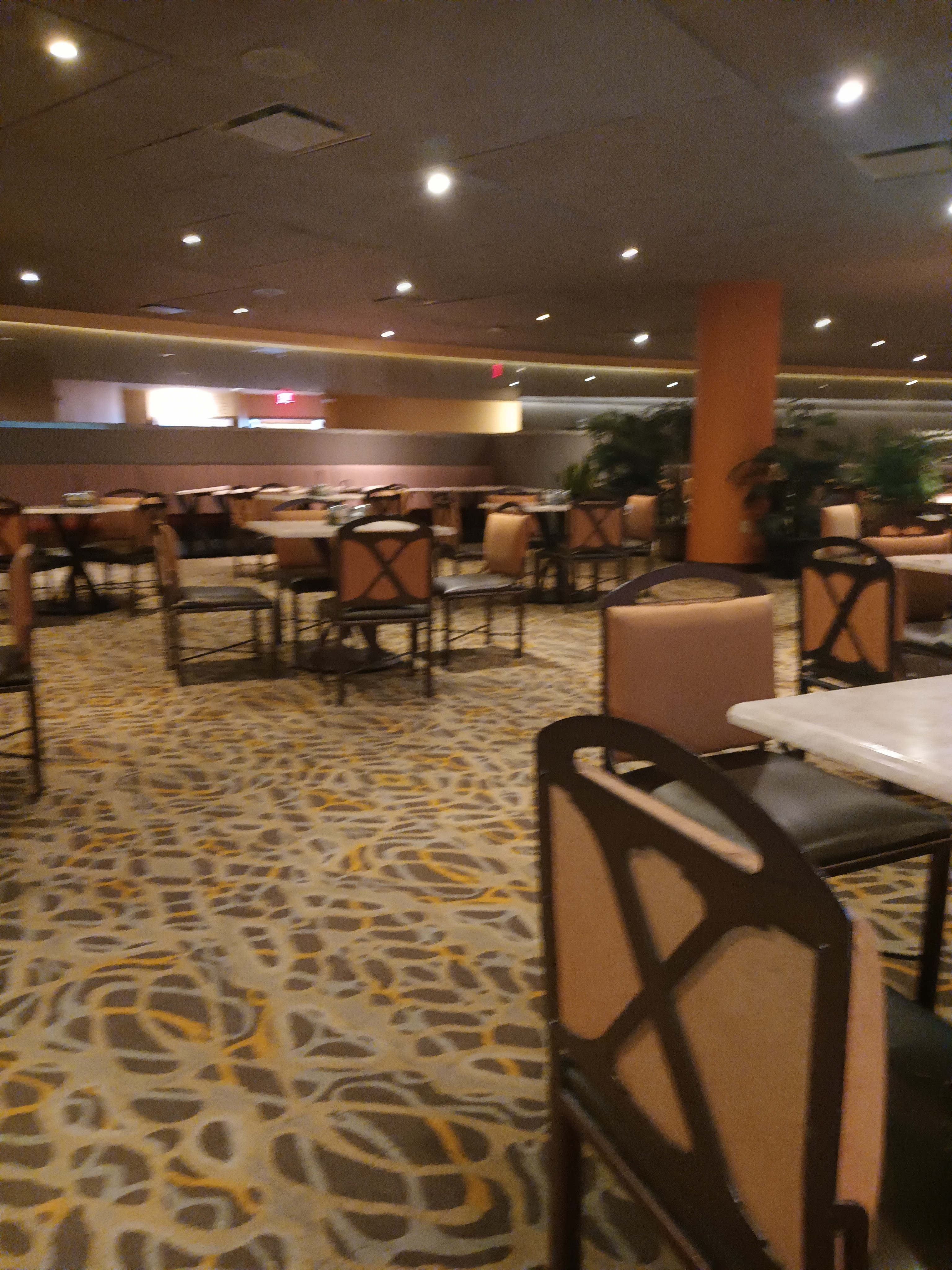
The space that was a yummy buffet at Caesar's Casino Atlantic City..is now a pizza restaurant 🫴🏾
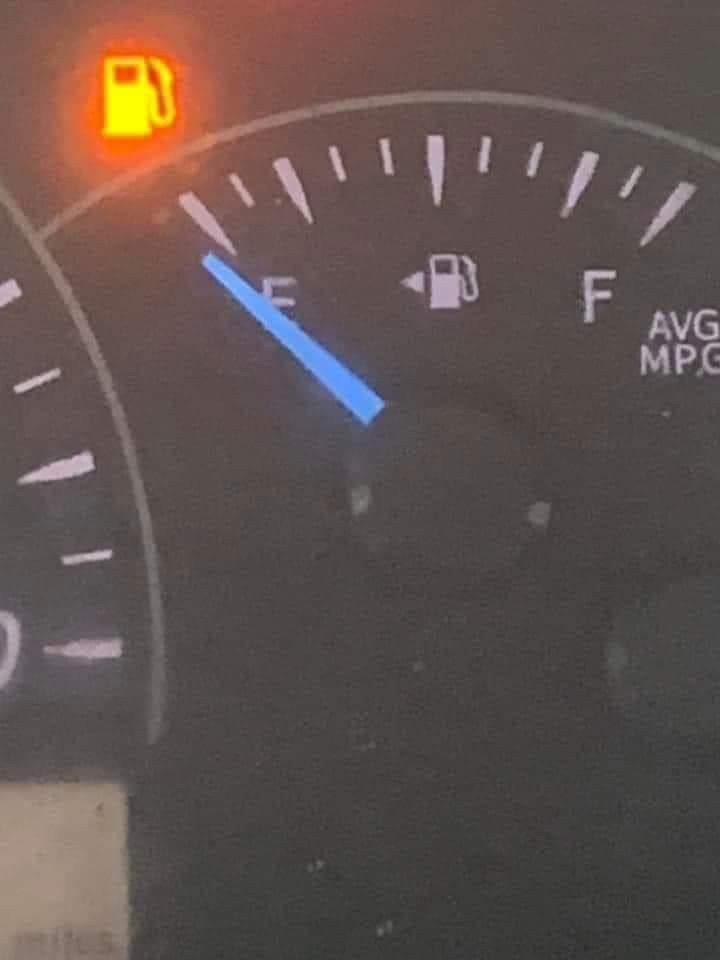
Me: Kim, you need gas
Kim: We will make it I know my car😂
The Chi - S04E04 - The Girl From Chicago : https://trakt.tv/shows/the-chi..../seasons/4/episodes/