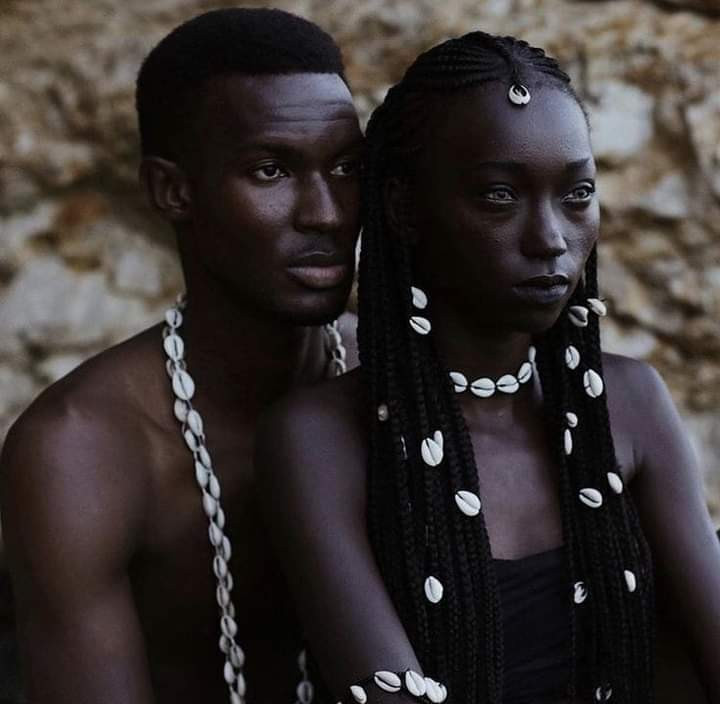
Top 10 African tribes/ethnic groups that are globally known.
(In no particular order)
1) Zulu 🇿🇦 South Africa - The Zulu tribe is popular outside Africa. They've been featured in music, documentaries and movies. Shaka the Zulu was a warrior king whose popularity is well spread. Famous Zulus, Lucky Dube, Nasty C, black Coffee etc.
2) Yoruba 🇳🇬 Nigeria - The Yorubas are globally known for their history, culture, art and literature. Fela, Wole Soyinka, Wizkid, Davido, Tiwa Savage, David Oyelowo, John Boyega, Anthony Joshua etc are a few Yorubas who have taken their culture to the world. The Yoruba culture has been featured in many Hollywood movies.
3) Masai 🇰🇪 Kenya - The Masai are perhaps one of the most documented tribes in Africa, with alot of documentaries shown about them and books written about their culture.
They are known for their traditional clothing and hunting skills
4) Hausa 🇳🇬 Nigeria - The hausas are very popular. Often known as the Igbos of the North, The richest black man in the world Aliko Dangote is Hausa along with his brother from the same state Kano Abdulsamad Rabiu (BUA). Their culture has also been well written about and have featured in a few Hollywood movies including the Amazon prime series were a woman was seen eating Tuwo shinkafa.
5) Igbo 🇳🇬 Nigeria - The Igbos are undeniably known world wide. Chinua Achebe wrote about the Igbo culture alot. They are known for their history, culture and literature.
The popularized the kolanut and palm wine through books, movies and music
Chinwetalu Ejiofor, Zain Asher, Ckay, Flavour, Chimamanda, phyno, P-square are Igbos who have taken their culture to the world. Igbo are known in Nollywood movies.
6) Swahili 🇹🇿 Tanzania - This tribe have phenomenal spread their language in East Africa and a few central African nations.
In the 70s, their language was part of the African-American black pride movement been pushed forward.
7) Edo/Bini 🇳🇬 Nigeria - The Binis are perhaps the culture in Africa with the most famous artworks outside Egypt.
Binis are known for their history, culture and art/architecture.
The famous Benin bronze, ivory and brass artworks are known globally. The country Benin republic gets their name from them. Benin art and culture have been featured in Hollywood movies including black panther. Many Nigerian cultures have roots in Benin. The bronze mask of Queen Idia is perhaps the most famous mask in Africa and one of the most famous in the world. Popular Edos are Kamaru Usman, Rema, Odion Jude Ighalo, Victor Osimhen, Dave, Sam Loco Efe etc.
8) Asante 🇬🇭 Ghana - This tribe are known for their history and culture. Popular American hip hop artist was named after this tribe Asante. Their Kente is perhaps the most popular African attire outside of Africa and were known to be masters of the gold craft.
9) The Fulani - This nomadic tribes are known for their history and culture. They are predominantly in West Africa and are found in 18 African countries. Most In Nigeria 🇳🇬
Popular Fulanis or people with Fulani ancestry are Muhammadu and Aisha Buhari, Tafawa Balewa, Anthony Anderson, India Arie, Peter John Gomes etc.
1 Berbers/Amazigh - They are predominantly found in North Africa. They are predominantly found in Morocco 🇲🇦 and Algeria 🇩🇿 They known for their use of silver silver. Their culture and history well documented and have a unique language and writing system that traces back to ancient Egypt. Books are currently being written about them including a book titled salt by Haitian-American Pascaline Brodeur.
Disclaimer: Every African tribe and culture is beautiful, unique and important. No one culture is more important than the other. This only highlights tribes known outside the continent overall, this doesn't mean there aren't other cultures that aren't known.
Peace and Power, my brothers and sisters.
Today, I want to talk to you about the importance of having our own social media platform as black people. Some of you may wonder why we need such a platform when we already have access to mainstream platforms like Facebook, Twitter, and Instagram. Well, my brothers and sisters, the answer is simple: these platforms do not adequately address or represent our experiences and perspectives.
For too long, we have been using these platforms to share our stories, connect with others, and raise awareness about issues that affect us. But too often, our voices are drowned out by the noise of the majority, and our concerns are ignored. We see this in the way that these platforms handle issues such as racism, hate speech, and harassment. Black users are disproportionately affected by these issues, and yet, we are not given the same level of protection and support as other users.
We see this in the way that our content is moderated and censored. Too often, our posts are flagged or removed for reasons that are unclear or unjustified. Meanwhile, other users are allowed to post similar content without consequence. This is not fair, my brothers and sisters. We deserve to have our voices heard and our experiences validated.
That is why we need our own social media platform – a platform that is designed by us, for us. A platform where we can speak freely and openly without fear of censorship or persecution. A platform where we can connect with others who share our experiences and perspectives. A platform where we can build a community of support and solidarity.
Now, some of you may be thinking that this is a radical idea – that it goes against the mainstream narrative of integration and assimilation. But my brothers and sisters, we must remember that integration does not mean surrendering our identity or compromising our values. It means coming together on our own terms, with our own strengths and perspectives, to create a better future for ourselves and our communities.
So, let us not be afraid to demand more from the platforms that we use. Let us not be afraid to speak out against injustice and discrimination. Let us not be afraid to build our own platform, a platform that represents our voices and our experiences.
As Malcolm X once said, "We declare our right on this earth to be a man, to be a human being, to be respected as a human being, to be given the rights of a human being in this society, on this earth, in this day, which we intend to bring into existence by any means necessary." Let us bring this vision into existence, my brothers and sisters. Let us build a platform that reflects our humanity, our dignity, and our resilience.
Thank you.
In 1860: 4.5 million people of African descent lived in the United States.
Of these: 4.0 million were enslaved (89%), held by 385,000 slaveowner
Of these: 3.6 million lived on farms and plantations (half in the Deep South).
Of these: 1.0 million lived on plantations with 50 or more enslaved people.
Peace and Power, my brothers and sisters.
Today, I want to talk to you about the importance of having our own social media platform as black people. Some of you may wonder why we need such a platform when we already have access to mainstream platforms like Facebook, Twitter, and Instagram. Well, my brothers and sisters, the answer is simple: these platforms do not adequately address or represent our experiences and perspectives.
For too long, we have been using these platforms to share our stories, connect with others, and raise awareness about issues that affect us. But too often, our voices are drowned out by the noise of the majority, and our concerns are ignored. We see this in the way that these platforms handle issues such as racism, hate speech, and harassment. Black users are disproportionately affected by these issues, and yet, we are not given the same level of protection and support as other users.
We see this in the way that our content is moderated and censored. Too often, our posts are flagged or removed for reasons that are unclear or unjustified. Meanwhile, other users are allowed to post similar content without consequence. This is not fair, my brothers and sisters. We deserve to have our voices heard and our experiences validated.
That is why we need our own social media platform – a platform that is designed by us, for us. A platform where we can speak freely and openly without fear of censorship or persecution. A platform where we can connect with others who share our experiences and perspectives. A platform where we can build a community of support and solidarity.
Now, some of you may be thinking that this is a radical idea – that it goes against the mainstream narrative of integration and assimilation. But my brothers and sisters, we must remember that integration does not mean surrendering our identity or compromising our values. It means coming together on our own terms, with our own strengths and perspectives, to create a better future for ourselves and our communities.
So, let us not be afraid to demand more from the platforms that we use. Let us not be afraid to speak out against injustice and discrimination. Let us not be afraid to build our own platform, a platform that represents our voices and our experiences.
As Malcolm X once said, "We declare our right on this earth to be a man, to be a human being, to be respected as a human being, to be given the rights of a human being in this society, on this earth, in this day, which we intend to bring into existence by any means necessary." Let us bring this vision into existence, my brothers and sisters. Let us build a platform that reflects our humanity, our dignity, and our resilience.
Thank you.
Making sense: College costs, financial aid https://blacknewsportal.com/ma....king-sense-college-c