Melanated People Social Melanated People Social
    #nevermind #happyfriday #bodymassage #relaxationtherapy #naturethaispa
    Napredno pretraživanje
  • Prijaviti se
  • Registar

  • Dnevni režim
  • © 2026 Melanated People Social
    Oko • Imenik • Kontaktirajte nas • Programeri • Politika privatnosti • Uvjeti korištenja • creating a custom page

    Odaberi Jezik

  • Arabic
  • Bengali
  • Chinese
  • Croatian
  • Danish
  • Dutch
  • English
  • Filipino
  • French
  • German
  • Hebrew
  • Hindi
  • Indonesian
  • Italian
  • Japanese
  • Korean
  • Persian
  • Portuguese
  • Russian
  • Spanish
  • Swedish
  • Turkish
  • Urdu
  • Vietnamese

Gledati

Gledati Koluti

Događaji

Pregledajte događaje Moji događaji

Tržište

Najnoviji proizvodi

Stranice

Moje stranice Stranice koje mi se sviđaju

Više

Forum Istražiti popularne objave Ponude Sredstva
Koluti Gledati Događaji Tržište Moje stranice Vidi sve

Otkriti postovi

Posts

Korisnici

Stranice

Skupina

Tržište

Događaji

Forum

Sredstva

Zay Fucifino
Zay Fucifino  
3 god

 Tribal Marks: The African Tattoo.
The marks are used to identify a person's tribe or ethnic group, and can also serve as a form of beauty or adornment.

Tribal marks, also known as scarification, is a traditional practice that has been used by various ethnic groups in Africa for centuries. It involves cutting or scarring the skin in a specific pattern or design, usually on the face, and is typically done during childhood or adolescence. The tradition of tribal marks varies among different ethnic groups and regions in Africa. In Nigeria for instance, it's mostly practiced by ethnic groups such as the Yoruba, Igbo, and Efik. Each ethnic group has its own unique designs and patterns, and the marks can have different meanings or symbolic significance. Among the Efik, the marks are used as a symbol of beauty, and young girls would be scarred with intricate designs as part of their initiation into womanhood.

The tradition of tribal marks has been on the decline in recent years, as many people opt for other forms of self-expression or choose not to have them at all. Some people have abandoned the tradition because of the stigma associated with the marks and discrimination that is faced by those who have them. Additionally, the government of Nigeria banned the practice in the late 1970s, although enforcement of the ban has been lax and it's still being practiced by some communities. It's worth noting that the tradition of scarification is not limited to Africa, and has been practiced in other parts of the world, including Oceania, Asia, and the Americas.

Mr Akeem is royal-born, so he has long stripes on his face. "It is like a football jersey," he quips, adding that they made him popular in the local market. On a serious note, Mr Akeem says he regards the scars as sacred, and does not believe people should mark their faces just for beautification. This need for identification through facial marks was also strong in northern Nigeria, especially among the Gobir people of Sokoto state.

Ibrahim Makkuwana's ancestors, pastoralists from Gubur in present-day Sokoto, did not have facial marks. But, he said, as they moved around looking for farming land, "they fought many battles and conquered many places".
They then decided to make distinctive marks on their cheeks, "akin to the ones their animals had, which would help them in identifying their kinsmen during battles", Mr Makkuwana says.
"That was the origin of our marks," he tells the BBC.

But there is also a distinction between the Gobirawas. Those with six scars on one cheek and seven on the other have both parents from royalty. Those with six marks on both sides have only their mothers from the royal family. Then there are the children of butchers, with nine scars on one side and 11 on the other, while those with five and six marks on either side trace their lineage to hunters. As for fishermen, they have distinct marks drawn up to their ears.

Meanwhile, among the Yorubas and Igbos of southern Nigeria, some marks are linked to life and death. There was a belief in their communities that some children were destined to die before puberty. Known as Abiku and Ogbanje respectively by the two ethnic groups, these children were believed, by the Yoruba, to belong to a coven of demons living in large iroko and baobab trees. It was common for women to lose several children at a young age in succession, and it was thought it was the same child, reappearing again and again to torment their mother. Such children were then marked to make them unrecognisable to their spirit mates so they would stay alive. Many of these infant deaths are now known to be caused by sickle cell anaemia, an inherited disorder common among African people.
Yakub Lawal in Ibadan in south-western Oyo state, was marked as an Abiku. "This is not my first sojourn to earth, I have been here before," he says. "I died thrice, and on my fourth return I was given these marks to stop me from returning to the spirit world," he adds. Closely related to stories of the Abiku and Ogbanje are those whose marks are in memory of a departed family member or one who has been "reborn".

image
Kao
Komentar
Udio
Zay Fucifino
Zay Fucifino  
3 god

 Tribal Marks: The African Tattoo.
The marks are used to identify a person's tribe or ethnic group, and can also serve as a form of beauty or adornment.

Tribal marks, also known as scarification, is a traditional practice that has been used by various ethnic groups in Africa for centuries. It involves cutting or scarring the skin in a specific pattern or design, usually on the face, and is typically done during childhood or adolescence. The tradition of tribal marks varies among different ethnic groups and regions in Africa. In Nigeria for instance, it's mostly practiced by ethnic groups such as the Yoruba, Igbo, and Efik. Each ethnic group has its own unique designs and patterns, and the marks can have different meanings or symbolic significance. Among the Efik, the marks are used as a symbol of beauty, and young girls would be scarred with intricate designs as part of their initiation into womanhood.

The tradition of tribal marks has been on the decline in recent years, as many people opt for other forms of self-expression or choose not to have them at all. Some people have abandoned the tradition because of the stigma associated with the marks and discrimination that is faced by those who have them. Additionally, the government of Nigeria banned the practice in the late 1970s, although enforcement of the ban has been lax and it's still being practiced by some communities. It's worth noting that the tradition of scarification is not limited to Africa, and has been practiced in other parts of the world, including Oceania, Asia, and the Americas.

Mr Akeem is royal-born, so he has long stripes on his face. "It is like a football jersey," he quips, adding that they made him popular in the local market. On a serious note, Mr Akeem says he regards the scars as sacred, and does not believe people should mark their faces just for beautification. This need for identification through facial marks was also strong in northern Nigeria, especially among the Gobir people of Sokoto state.

Ibrahim Makkuwana's ancestors, pastoralists from Gubur in present-day Sokoto, did not have facial marks. But, he said, as they moved around looking for farming land, "they fought many battles and conquered many places".
They then decided to make distinctive marks on their cheeks, "akin to the ones their animals had, which would help them in identifying their kinsmen during battles", Mr Makkuwana says.
"That was the origin of our marks," he tells the BBC.

But there is also a distinction between the Gobirawas. Those with six scars on one cheek and seven on the other have both parents from royalty. Those with six marks on both sides have only their mothers from the royal family. Then there are the children of butchers, with nine scars on one side and 11 on the other, while those with five and six marks on either side trace their lineage to hunters. As for fishermen, they have distinct marks drawn up to their ears.

Meanwhile, among the Yorubas and Igbos of southern Nigeria, some marks are linked to life and death. There was a belief in their communities that some children were destined to die before puberty. Known as Abiku and Ogbanje respectively by the two ethnic groups, these children were believed, by the Yoruba, to belong to a coven of demons living in large iroko and baobab trees. It was common for women to lose several children at a young age in succession, and it was thought it was the same child, reappearing again and again to torment their mother. Such children were then marked to make them unrecognisable to their spirit mates so they would stay alive. Many of these infant deaths are now known to be caused by sickle cell anaemia, an inherited disorder common among African people.
Yakub Lawal in Ibadan in south-western Oyo state, was marked as an Abiku. "This is not my first sojourn to earth, I have been here before," he says. "I died thrice, and on my fourth return I was given these marks to stop me from returning to the spirit world," he adds. Closely related to stories of the Abiku and Ogbanje are those whose marks are in memory of a departed family member or one who has been "reborn".

image
image
image
image
image
Kao
Komentar
Udio
Zay Fucifino
Zay Fucifino  
3 god

You can't change an apple 🍎 tree into a lemon 🍋...tf you saying

Kao
Komentar
Udio
avatar

T.A.Z.

 
But if that apple identifies as a lemon you have to respects its wishes.
haha
2
Kao
· 1673806121
1 Odgovor

Izbriši komentar

Jeste li sigurni da želite izbrisati ovaj komentar?

Zay Fucifino
Zay Fucifino  
3 god

#thefuckery continues...😡

image
Kao
Komentar
Udio
avatar

Kendall Coleman

Wow!
Kao
1
Kao
· Odgovor · 1673812824

Izbriši komentar

Jeste li sigurni da želite izbrisati ovaj komentar?

avatar

Vincent Finney II

Mayo media strikes again.
Kao
1
Kao
· Odgovor · 1673824241

Izbriši komentar

Jeste li sigurni da želite izbrisati ovaj komentar?

LeShelle  Smith
LeShelle Smith
3 god

The 28-year-old artist-turned-entrepreneur was originally introduced to his business partner, Voneka Marks, through his mother, Rosie Broadnax. The vocalist and Marks officially went into business together beginning last October.

https://finance.yahoo.com/news..../r-b-king-jacquees-o

Favicon 
finance.yahoo.com

R&B ‘King’ Jacquees Opens New Spot, ‘The Wine and Tapas Bar’ in Georgia

Jacquees, who was born and raised nearby in Decatur, Georgia, wanted to open a hideaway that was close to the shopping mall where he spent the majority of his own money as a youth.
Kao
Komentar
Udio
Juvon  Lewis
Juvon Lewis  
3 god

Mayor of Kingstown - S02E01 - Episode 1 : https://trakt.tv/shows/mayor-o....f-kingstown/seasons/

Mayor of Kingstown 2x01 "Never Missed a Pigeon" - Trakt
Favicon 
trakt.tv

Mayor of Kingstown 2x01 "Never Missed a Pigeon" - Trakt

Season 2, Episode 1
Kao
Komentar
Udio
avatar

Antelle Westbrooks

About to watch this next..
Kao
· 1673803184
2 Odgovori

Izbriši komentar

Jeste li sigurni da želite izbrisati ovaj komentar?

LeShelle  Smith
LeShelle Smith
3 god

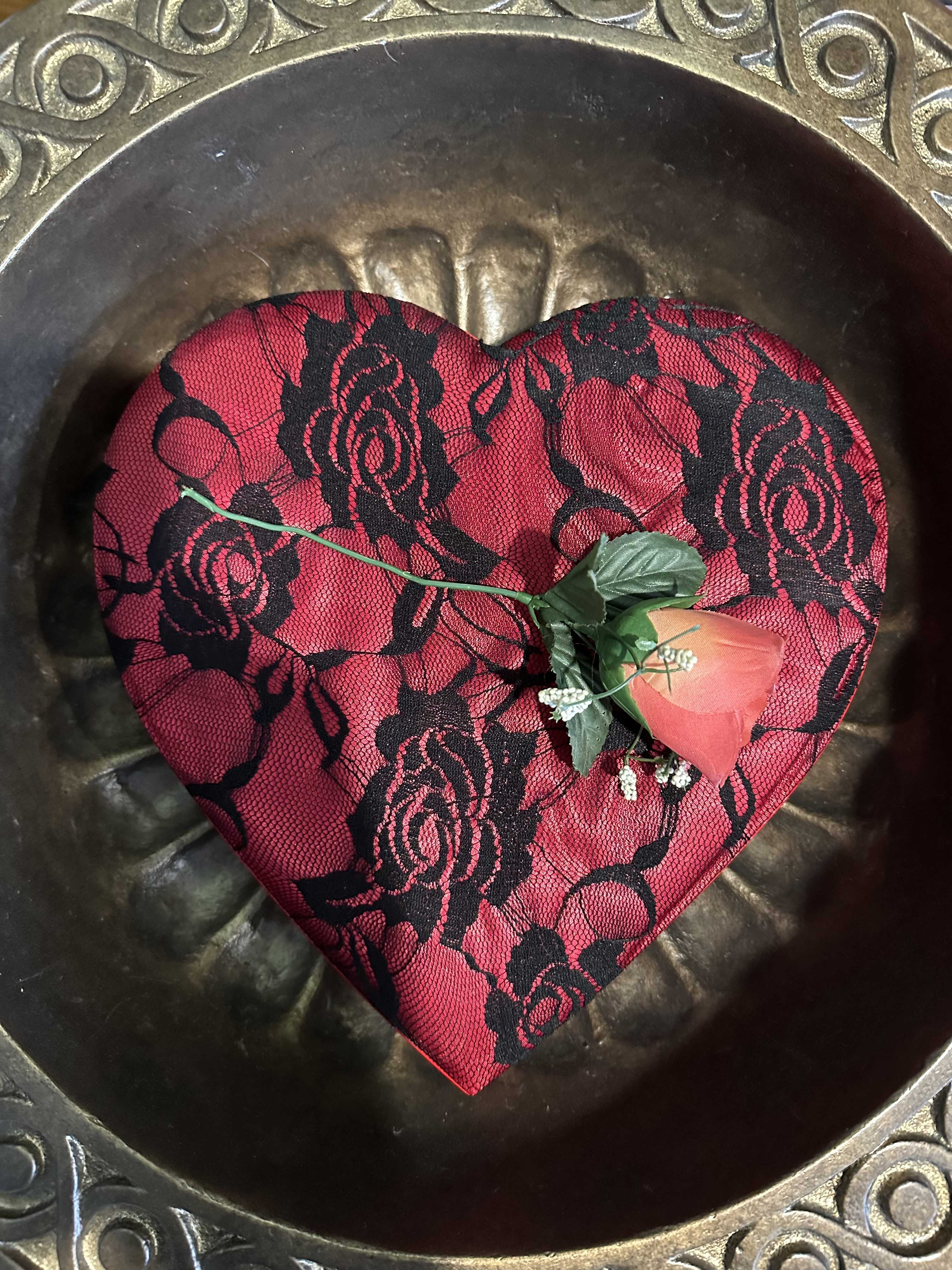
February 13th, get ready for #blacklove Day.

image
Kao
Komentar
Udio
Zay Fucifino
Zay Fucifino  
3 god

🚫 🚬 😷 Mexico has introduced one of the world's strictest anti-tobacco laws, banning smoking in all public places.

An existing law - which created smoke-free spaces in bars, restaurants and workplaces - has now been extended to an outright ban in all public spaces, including parks, beaches, hotels and offices.

It means many people will now only be able to smoke at home or in other private residences.

There will also be a total ban on the advertising of tobacco products, meaning that cigarettes cannot even be on show inside shops.

Vapes and e-cigarettes are also subject to tighter new restrictions, particularly indoors.

Mexico tightens ban on smoking in public places - BBC News
Favicon 
www.bbc.com

Mexico tightens ban on smoking in public places - BBC News

The step, approved in 2021, means the country now has one of the world's strictest anti-tobacco laws.
Kao
Komentar
Udio
Aly White
Aly White  
3 god

Looks like apocalypse preparations to me. They tryna ride out the end of the world on the ocean. Aye. If can't go to space the water is the next best place.

Kao
Komentar
Udio
Kaveeka Hall
Kaveeka Hall  promijenio profilnu sliku
3 god

image
Kao
Komentar
Udio
Showing 20849 out of 21392
  • 20845
  • 20846
  • 20847
  • 20848
  • 20849
  • 20850
  • 20851
  • 20852
  • 20853
  • 20854
  • 20855
  • 20856
  • 20857
  • 20858
  • 20859
  • 20860
  • 20861
  • 20862
  • 20863
  • 20864

Uredi ponudu

Dodajte razinu


Odaberite sliku
Izbrišite svoju razinu
Jeste li sigurni da želite izbrisati ovu razinu?

Recenzije

Kako biste prodali svoj sadržaj i postove, počnite s stvaranjem nekoliko paketa. Monetizacija

Plaćanje novčanikom

Upozorenje o plaćanju

Spremate se kupiti artikle, želite li nastaviti?

Zatražite povrat novca