Melanated People Social Melanated People Social
    #mp #balance
    جستجوی پیشرفته
  • وارد شدن
  • ثبت نام

  • حالت روز
  • © 2026 Melanated People Social
    در باره • فهرست راهنما • با ما تماس بگیرید • توسعه دهندگان • سیاست حفظ حریم خصوصی • شرایط استفاده • Child Safety Policy

    انتخاب کنید زبان

  • Arabic
  • Bengali
  • Chinese
  • Croatian
  • Danish
  • Dutch
  • English
  • Filipino
  • French
  • German
  • Hebrew
  • Hindi
  • Indonesian
  • Italian
  • Japanese
  • Korean
  • Persian
  • Portuguese
  • Russian
  • Spanish
  • Swedish
  • Turkish
  • Urdu
  • Vietnamese

تماشا کردن

تماشا کردن قرقره ها

مناسبت ها

مرور رویدادها رویدادهای من

بازار

آخرین محصولات

صفحات

صفحات من صفحات لایک شده

بیشتر

انجمن کاوش کنید پست های محبوب ارائه می دهد بودجه
قرقره ها تماشا کردن مناسبت ها بازار صفحات من همه را ببین

کشف کردن نوشته ها

Posts

کاربران

صفحات

گروه

بازار

مناسبت ها

انجمن

بودجه

Zay Fucifino
Zay Fucifino  
2 سال

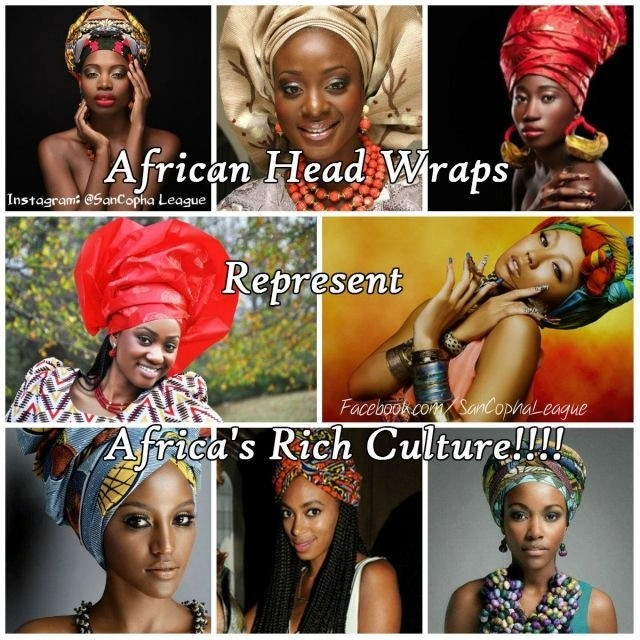
Gele, This is what I grew up with and it's still so today. From my Grand Mother, Mother, Wife, Sisters, Aunts, Neices, Cousins, Friends etc.

Head wraps have served as a head cover for Africans, mostly women, since at least the early 1700s. According to Danya London Fashions For All, a group of African slave women appear in a 1707 painting that was created by Dirk Valkenburg, a Danish painter, that depicted them wearing head wraps that appeared high on the forehead and above the ears. However, it is believed that African cultures used head wraps before the days of slavery so that men could show off their wealth and the level of their social status and so that women could prove that they were prosperous and spiritual

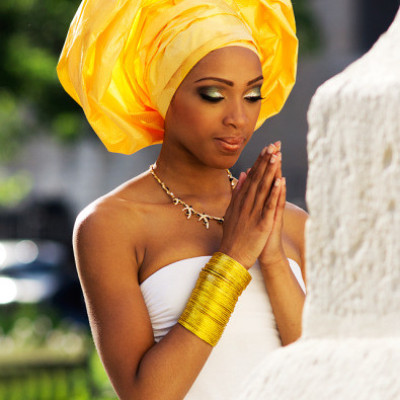
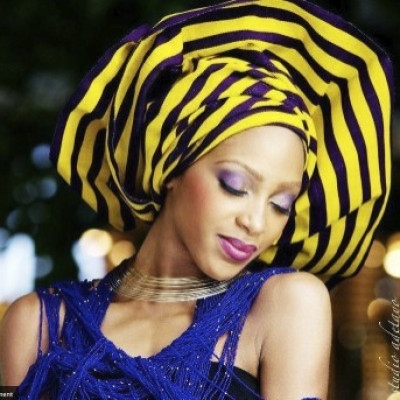
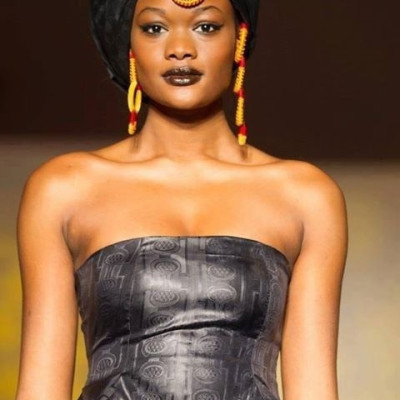
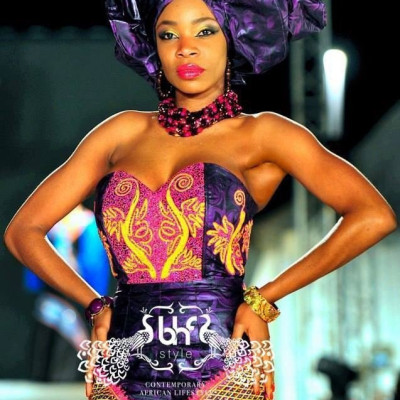
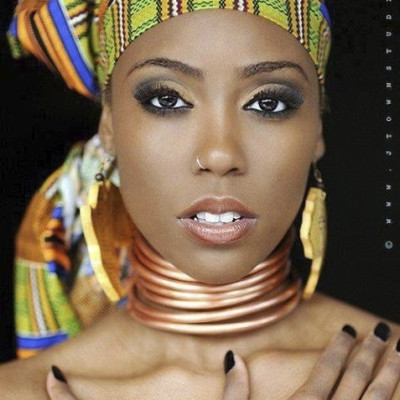
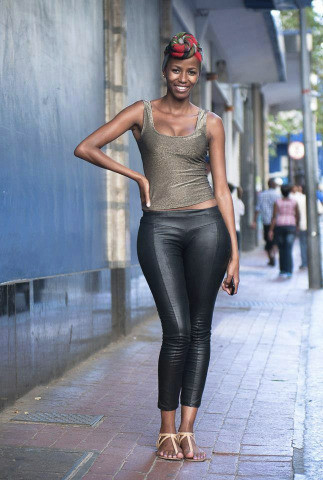
African head wraps come in many bright bold colors that animate the face. According to Africa Imports African Business, in West Africa, head wraps are referred to as “gele” in Yoruba or “ichafu” in Ibo. Some African American women continue to wear head wraps to boast their spiritual strength.

Egypt
Many of the headdresses worn by Egyptian royalty had their roots in Nubian culture. The “Nubian wig” purposefully resembled the thick hair of Nubian people. Depictions from the 18th Dynasty show both Kiya, a secondary wife of Pharaoh Akhenaten, and Tiye, the mother of Akhenaten and Great Royal Wife of Pharaoh Amenhotep III, wearing this headdress. Queens during the Amarna era typically wore the “khat,” a single-colored headcloth.
Nubia

Ancient Nubian queens wore headdresses more than head wraps. Some headdresses consisted of elaborate fabrics and flowers woven together. Another headdress had the appearance of a vulture, later referred to as the Egyptian double crown and worn by Egyptian queens during the New Kingdom era.

Nigeria
“Gele” refers to the Yoruba word for the head wrap commonly associated with Nigeria and West Africa. Both common women and royal queens wore the gele in ancient times, but queens had wraps made of finer material, such as damask — often used for special occasions and worn with a shawl — and colorful aso-oke, material made of silk.

Originally the head-wrap, or turban, was worn by both enslaved men and women. In time, however, it became almost exclusively a female accessory. In the photograph above, the women wear head-wraps, while the men wear hats.

For their white European masters, the slaves’ head-wraps were signs of poverty and subordination. Accounts of clothing distribution show that masters sometimes allotted extra handkerchiefs to their female slaves, ostensibly to be used as head coverings. In fact, in certain areas of the South, legislation appeared that required Afrakan women to wear their hair bound up in this manner.

The head-wrap, however, was more than a badge of enslavement imposed on female slaves by their owners. Embellishment of the head and hair was a central component of dress in various parts of Africa, particularly in West Africa. From the time European fabrics were made available to them, African women wore head-wraps similar to those worn by their enslaved counterparts in America. For these women, the wrap, which varied in form from region to region, signified communal identity. At the same time, the particular appearance of an individual head-wrap was an expression of personal identity.

In America, the head-wrap was a utilitarian item, which kept the slave’s hair protected from the elements in which she worked and helped to curb the spread of lice. Yet, as in Africa, the head-wrap also created community — as an item shared by female slaves — and individuality, as a thing unique to the wearer. Cassandra Stancil, enslaved in her youth, insisted that she never asked another woman how to tie her head-scarf. “I always figured I could do it,” she said, “I could try and experiment and if not get that, get something that I liked.”

The head-wrap was an object of oppression from one vantage point. But from the other, the perspective of the slave community, it was a vehicle of empowerment and a memento of freedom.

The headwrap which originated in sub-Saharan Africa carried symbolic meaning in reference to spirituality, wealth, prosperity and class. It later took on a prominent identity in the times of the slavery in America and thereafter continued to be a fashionable but conscientious statement for women of African origin.

The colorful wraps also kept a person eyes to the face of a woman and not her body!
image
پسندیدن
اظهار نظر
اشتراک گذاری
Zay Fucifino
Zay Fucifino  
2 سال

Gele, This is what I grew up with and it's still so today. From my Grand Mother, Mother, Wife, Sisters, Aunts, Neices, Cousins, Friends etc.

Head wraps have served as a head cover for Africans, mostly women, since at least the early 1700s. According to Danya London Fashions For All, a group of African slave women appear in a 1707 painting that was created by Dirk Valkenburg, a Danish painter, that depicted them wearing head wraps that appeared high on the forehead and above the ears. However, it is believed that African cultures used head wraps before the days of slavery so that men could show off their wealth and the level of their social status and so that women could prove that they were prosperous and spiritual

African head wraps come in many bright bold colors that animate the face. According to Africa Imports African Business, in West Africa, head wraps are referred to as “gele” in Yoruba or “ichafu” in Ibo. Some African American women continue to wear head wraps to boast their spiritual strength.

Egypt
Many of the headdresses worn by Egyptian royalty had their roots in Nubian culture. The “Nubian wig” purposefully resembled the thick hair of Nubian people. Depictions from the 18th Dynasty show both Kiya, a secondary wife of Pharaoh Akhenaten, and Tiye, the mother of Akhenaten and Great Royal Wife of Pharaoh Amenhotep III, wearing this headdress. Queens during the Amarna era typically wore the “khat,” a single-colored headcloth.
Nubia

Ancient Nubian queens wore headdresses more than head wraps. Some headdresses consisted of elaborate fabrics and flowers woven together. Another headdress had the appearance of a vulture, later referred to as the Egyptian double crown and worn by Egyptian queens during the New Kingdom era.

Nigeria
“Gele” refers to the Yoruba word for the head wrap commonly associated with Nigeria and West Africa. Both common women and royal queens wore the gele in ancient times, but queens had wraps made of finer material, such as damask — often used for special occasions and worn with a shawl — and colorful aso-oke, material made of silk.

Originally the head-wrap, or turban, was worn by both enslaved men and women. In time, however, it became almost exclusively a female accessory. In the photograph above, the women wear head-wraps, while the men wear hats.

For their white European masters, the slaves’ head-wraps were signs of poverty and subordination. Accounts of clothing distribution show that masters sometimes allotted extra handkerchiefs to their female slaves, ostensibly to be used as head coverings. In fact, in certain areas of the South, legislation appeared that required Afrakan women to wear their hair bound up in this manner.

The head-wrap, however, was more than a badge of enslavement imposed on female slaves by their owners. Embellishment of the head and hair was a central component of dress in various parts of Africa, particularly in West Africa. From the time European fabrics were made available to them, African women wore head-wraps similar to those worn by their enslaved counterparts in America. For these women, the wrap, which varied in form from region to region, signified communal identity. At the same time, the particular appearance of an individual head-wrap was an expression of personal identity.

In America, the head-wrap was a utilitarian item, which kept the slave’s hair protected from the elements in which she worked and helped to curb the spread of lice. Yet, as in Africa, the head-wrap also created community — as an item shared by female slaves — and individuality, as a thing unique to the wearer. Cassandra Stancil, enslaved in her youth, insisted that she never asked another woman how to tie her head-scarf. “I always figured I could do it,” she said, “I could try and experiment and if not get that, get something that I liked.”

The head-wrap was an object of oppression from one vantage point. But from the other, the perspective of the slave community, it was a vehicle of empowerment and a memento of freedom.

The headwrap which originated in sub-Saharan Africa carried symbolic meaning in reference to spirituality, wealth, prosperity and class. It later took on a prominent identity in the times of the slavery in America and thereafter continued to be a fashionable but conscientious statement for women of African origin.

The colorful wraps also kept a person eyes to the face of a woman and not her body!

image
پسندیدن
اظهار نظر
اشتراک گذاری
Zay Fucifino
Zay Fucifino  
2 سال

Gele, This is what I grew up with and it's still so today. From my Grand Mother, Mother, Wife, Sisters, Aunts, Neices, Cousins, Friends etc.

Head wraps have served as a head cover for Africans, mostly women, since at least the early 1700s. According to Danya London Fashions For All, a group of African slave women appear in a 1707 painting that was created by Dirk Valkenburg, a Danish painter, that depicted them wearing head wraps that appeared high on the forehead and above the ears. However, it is believed that African cultures used head wraps before the days of slavery so that men could show off their wealth and the level of their social status and so that women could prove that they were prosperous and spiritual

African head wraps come in many bright bold colors that animate the face. According to Africa Imports African Business, in West Africa, head wraps are referred to as “gele” in Yoruba or “ichafu” in Ibo. Some African American women continue to wear head wraps to boast their spiritual strength.

Egypt
Many of the headdresses worn by Egyptian royalty had their roots in Nubian culture. The “Nubian wig” purposefully resembled the thick hair of Nubian people. Depictions from the 18th Dynasty show both Kiya, a secondary wife of Pharaoh Akhenaten, and Tiye, the mother of Akhenaten and Great Royal Wife of Pharaoh Amenhotep III, wearing this headdress. Queens during the Amarna era typically wore the “khat,” a single-colored headcloth.
Nubia

Ancient Nubian queens wore headdresses more than head wraps. Some headdresses consisted of elaborate fabrics and flowers woven together. Another headdress had the appearance of a vulture, later referred to as the Egyptian double crown and worn by Egyptian queens during the New Kingdom era.

Nigeria
“Gele” refers to the Yoruba word for the head wrap commonly associated with Nigeria and West Africa. Both common women and royal queens wore the gele in ancient times, but queens had wraps made of finer material, such as damask — often used for special occasions and worn with a shawl — and colorful aso-oke, material made of silk.

Originally the head-wrap, or turban, was worn by both enslaved men and women. In time, however, it became almost exclusively a female accessory. In the photograph above, the women wear head-wraps, while the men wear hats.

For their white European masters, the slaves’ head-wraps were signs of poverty and subordination. Accounts of clothing distribution show that masters sometimes allotted extra handkerchiefs to their female slaves, ostensibly to be used as head coverings. In fact, in certain areas of the South, legislation appeared that required Afrakan women to wear their hair bound up in this manner.

The head-wrap, however, was more than a badge of enslavement imposed on female slaves by their owners. Embellishment of the head and hair was a central component of dress in various parts of Africa, particularly in West Africa. From the time European fabrics were made available to them, African women wore head-wraps similar to those worn by their enslaved counterparts in America. For these women, the wrap, which varied in form from region to region, signified communal identity. At the same time, the particular appearance of an individual head-wrap was an expression of personal identity.

In America, the head-wrap was a utilitarian item, which kept the slave’s hair protected from the elements in which she worked and helped to curb the spread of lice. Yet, as in Africa, the head-wrap also created community — as an item shared by female slaves — and individuality, as a thing unique to the wearer. Cassandra Stancil, enslaved in her youth, insisted that she never asked another woman how to tie her head-scarf. “I always figured I could do it,” she said, “I could try and experiment and if not get that, get something that I liked.”

The head-wrap was an object of oppression from one vantage point. But from the other, the perspective of the slave community, it was a vehicle of empowerment and a memento of freedom.

The headwrap which originated in sub-Saharan Africa carried symbolic meaning in reference to spirituality, wealth, prosperity and class. It later took on a prominent identity in the times of the slavery in America and thereafter continued to be a fashionable but conscientious statement for women of African origin.

The colorful wraps also kept a person eyes to the face of a woman and not her body!

image
image
image
image
+5
پسندیدن
اظهار نظر
اشتراک گذاری
alvindunham351
alvindunham351  یک مقاله جدید ایجاد کرد
2 سال

fake designer bags fe014 | #louis vuitton outlet

fake designer bags fe014
مکان ها و مناطق

fake designer bags fe014

fake designer bags,www.affordbag.ru fake bags online designer bags,
پسندیدن
اظهار نظر
اشتراک گذاری
brennafairthor
brennafairthor  یک مقاله جدید ایجاد کرد
2 سال

replica designer ix852 | #fake bags

replica designer ix852
حیوانات خانگی و حیوانات

replica designer ix852

replica designer,www.affordbag.ru louis vuitton outlet replica handbags,
پسندیدن
اظهار نظر
اشتراک گذاری
dominikherndon
dominikherndon  یک مقاله جدید ایجاد کرد
2 سال

replica bags ep221 | #louis vuitton outlet

replica bags ep221
طبیعی

replica bags ep221

replica bags,www. https://www.affordbag.ru/ affordbag.ru replica bags,
پسندیدن
اظهار نظر
اشتراک گذاری
gugsherman9068
gugsherman9068  یک مقاله جدید ایجاد کرد
2 سال

replica designer gv186 | #replica bags

replica designer gv186
حیوانات خانگی و حیوانات

replica designer gv186

replica designer,www.affordbag.ru fake bags online bags,
پسندیدن
اظهار نظر
اشتراک گذاری
mariecornwell6
mariecornwell6  یک مقاله جدید ایجاد کرد
2 سال

replica bags uv621 | #replica bags online

replica bags uv621
طبیعی

replica bags uv621

luxury replicabag.luxury tastic,www.affordbag.ru fake replica bags online designer bags,
پسندیدن
اظهار نظر
اشتراک گذاری
alvindunham351
alvindunham351  یک مقاله جدید ایجاد کرد
2 سال

louis vuitton outlet pa429 | #louis vuitton outlet

louis vuitton outlet pa429
تاریخ و حقایق

louis vuitton outlet pa429

louis vuitton outlet replica replica bags designer,www.affordbag.ru replica bags,
پسندیدن
اظهار نظر
اشتراک گذاری
gugsherman9068
gugsherman9068  یک مقاله جدید ایجاد کرد
2 سال

louis vuitton outlet id729 | #replica bags online

louis vuitton outlet id729
مردم و ملل

louis vuitton outlet id729

https://www.affordbag.shop/ fake louis vuitton outlet designer bags,www.affordbag.ru replica bags,
پسندیدن
اظهار نظر
اشتراک گذاری
Showing 7328 out of 22297
  • 7324
  • 7325
  • 7326
  • 7327
  • 7328
  • 7329
  • 7330
  • 7331
  • 7332
  • 7333
  • 7334
  • 7335
  • 7336
  • 7337
  • 7338
  • 7339
  • 7340
  • 7341
  • 7342
  • 7343

ویرایش پیشنهاد

افزودن ردیف


یک تصویر را انتخاب کنید
لایه خود را حذف کنید
آیا مطمئن هستید که می خواهید این ردیف را حذف کنید؟

بررسی ها

برای فروش محتوا و پست های خود، با ایجاد چند بسته شروع کنید. /home/admin/web/melanatedpeople.net/public_html/themes/melanated/layout/modals/site-alerts.phtml on line 208

Warning: Trying to access array offset on value of type null in /home/admin/web/melanatedpeople.net/public_html/themes/melanated/layout/modals/site-alerts.phtml on line 208
https://melanatedpeople.net/setting&user=&page=monetization">کسب درآمد

پرداخت با کیف پول

هشدار پرداخت

شما در حال خرید اقلام هستید، آیا می خواهید ادامه دهید؟

درخواست بازپرداخت