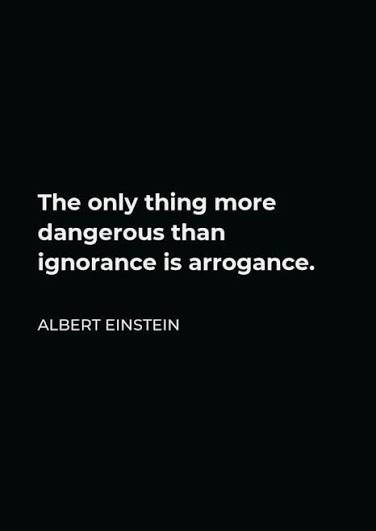
Christianity......
پسندیدن
اظهار نظر
اشتراک گذاری
Christianity......


Netanyahu and trump are both problems to global stability and peace....
https://youtube.com/shorts/VlY....Y9awoRoM?si=IpJgUihW

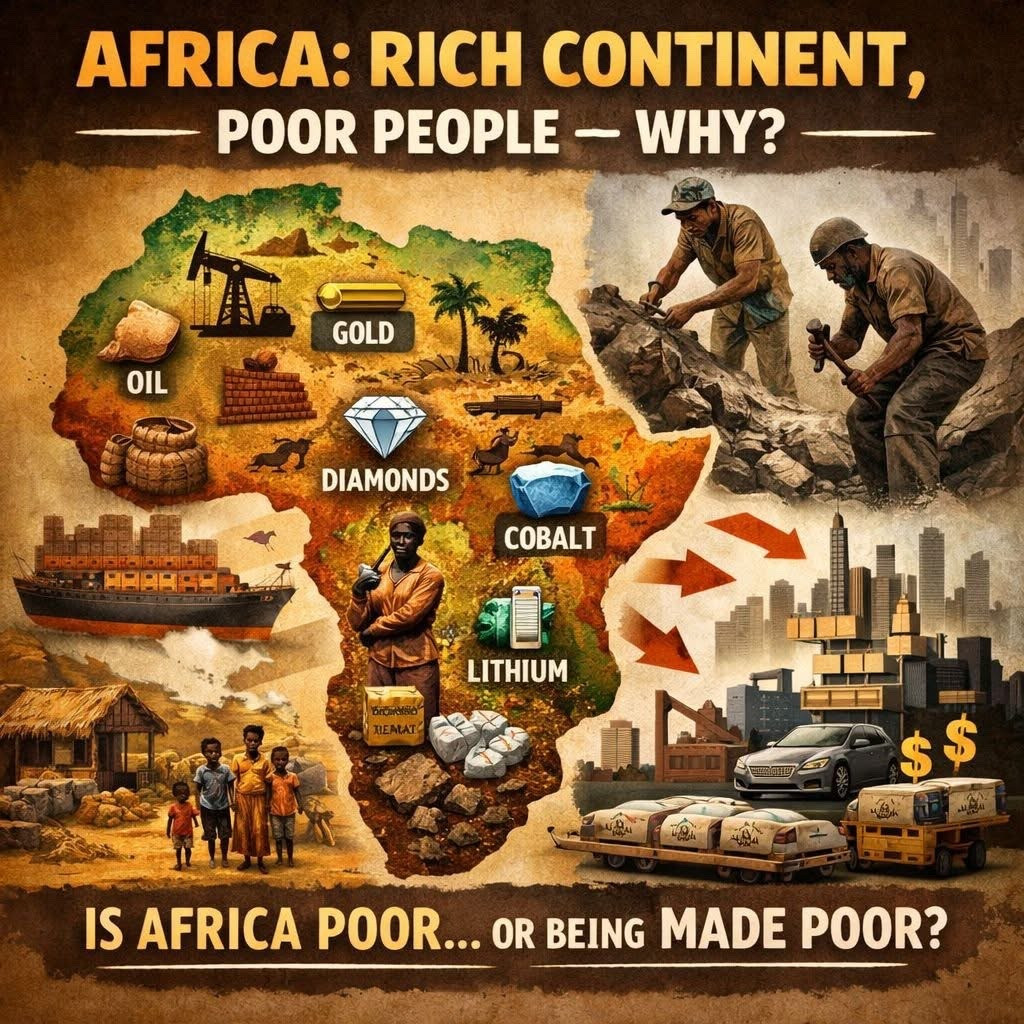
AFRICA: RICH CONTINENT, POOR PEOPLE — WHY?
Africa holds about 30% of the world’s mineral resources, vast fertile land, and one of the youngest populations on the planet. Yet many African nations still struggle with poverty, unemployment, and underdevelopment.
So the question must be asked: is Africa poor…or is Africa being made poor?
For decades, raw materials leave the continent cheaply — gold, oil, cocoa, lithium, cobalt — only to return as expensive finished products. Meanwhile, African economies remain dependent on exporting raw resources rather than building industries.
But the real conversation should be this:
• When will Africa process its own resources?
• When will African leaders prioritize long-term development over short-term gains?
• When will Africans support African industries first?
The future of Africa will not be decided in foreign capitals.
It will be decided by Africans.
What do you think is the biggest obstacle to Africa’s development — leadership, foreign influence, corruption, or mindset?
AFRICA, UP TO A FEW MONTHS AGO HAD NO STRONG, SMART, VISIONARY LEADERS,! TO THIS DAY, THE WHOLE OF AFRICA HAS ONLY JUST GOTTEN 4 LEADERS. THE REST, NEEDS TO GO!

Who starts barnstorming across the country doing bs-rallies, targeting gullible-stupidity, 9 months before the midterm elections?
The US is preparing to mobilize young men aged 18-25 for war with Iran: The White House has begun "warming up" public opinion, but may make do with prisoners.
The US is considering mobilizing young men or prisoners for war with Iran. To win in Iran, the US needs a ground operation.

Hmm

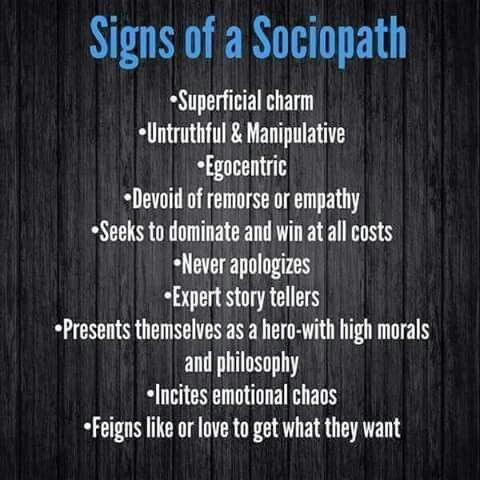
The country apparently is under the leadership of a pedigreed 'SOCIOPATH'...
Lorenzo 'Truck' Simpson, professional boxer, 160lb weight class....East Baltimore born. This young man was also a tough basketball player, that my youngest son competed against from ages 7-14. Best wishes to you and your family....