Uncovering the Truth Behind Gambling Sites: The Role of Onca888 in Scam Verification | #baccarat Site
Let’s now apply the **same structure and principles** to **Black Americans**—breaking down the distinction between **legal identity**, **social acceptance**, **racial history**, and **cultural erasure**, just as in the French example.
---
## 🔍 **Part 1: “Are Black people born in the U.S. and who speak perfect English considered fully American by white Americans?”**
### ✔️ **Legal Status*
Yes.
Black Americans born in the United States are, by law and birthright, **100% American citizens**. The U.S. follows **jus soli** (birthright citizenship), enshrined in the **14th Amendment** of the Constitution.
### ❌ **Social Acceptance*
Not always.
Despite centuries of residence and citizenship, many Black Americans have **historically and presently been treated as “less American”** by segments of white society.
* Black people have often been told to “go back to Africa” despite their families being in the U.S. for centuries.
* Their patriotism is questioned when protesting injustice (e.g., Colin Kaepernick or Black Lives Matter).
* Blackness is often “othered” in mainstream media, hiring, education, and policing.
> **So* Legally American ≠ Always *treated* as fully American.
---
## 🔍 **Part 2: “Have you ever read the Declaration of Independence… written by men who enslaved Black people?”**
### ✔️ **Factually correct.**
Many of the U.S. Founding Fathers, including **Thomas Jefferson**, were enslavers. The contradiction between “all men are created equal” and the reality of slavery has always haunted the American identity.
* **Crispus Attucks**, the first person killed in the American Revolution, was Black.
* **Black Americans fought in every U.S. war**, often hoping it would earn them full citizenship rights—but were repeatedly denied.
> Black Americans helped **build the nation**, yet were systematically **excluded from its full benefits.**
---
## 🔍 **Part 3: “Had they been born in another country, they may have had different racial status.”**
### ✔️ Valid comparative observation.
In many Latin American or European countries, race is seen as **more fluid**, and classifications like “mulatto,” “mestizo,” or “colored” allow for more nuanced identities.
In the U.S., the **“one-drop rule”** meant that *any* Black ancestry made someone legally “Black.” This rigid binary created a **unique form of systemic racial control**.
Even today, Black Americans are more likely to face:
* **Police surveillance**
* **Lower hiring rates**
* **Healthcare disparities**
* **Disproportionate incarceration**
> So, while **legally equal**, racial *categorization* in America has been strict and socially enforced.
---
## 🔍 **Part 4: “The fact that many Americans ignore this history means it was never a big issue, right?”**
### ❌ Incorrect and misleading.
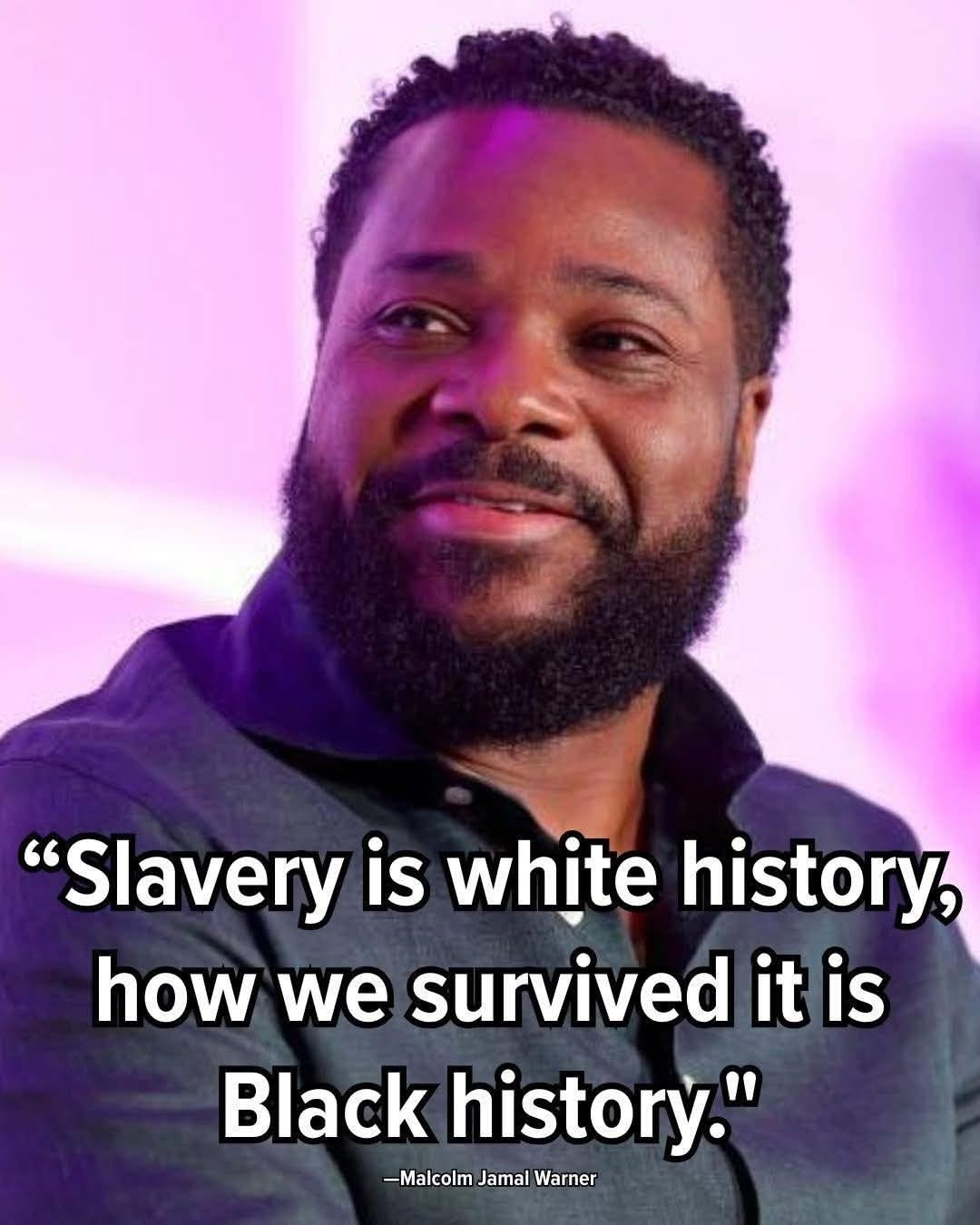
The **erasure or sanitization** of Black American history in schools, media, and culture is not a sign that race "doesn't matter." It shows an **unwillingness to confront the truth**.
* **Enslavement**, **Jim Crow**, **redlining**, and **mass incarceration** are central to Black American experience.
* The **erasure of Black contributions** (science, arts, military, business) reflects cultural discomfort, not racial equality.
* Textbooks often marginalize or romanticize slavery and civil rights struggles.
> As James Baldwin said:
> “To be a Negro in this country and to be relatively conscious is to be in a rage almost all the time.”
---
## ✅ **Conclusion*
Yes, Black Americans are legal citizens.
Yes, they’ve made foundational contributions to American society.
But no, they have **not always been accepted** as fully American—by culture, institutions, or law.
**The denial of racism**, the erasure of Black historical contributions, and the ongoing systems of inequality prove that:
> **Being born American does not guarantee being treated as one.**
---
## 🔁 **Summary**
| Statement | Reality |
| --------------------------------- | ------------------ |
| Black Americans are U.S. citizens | ✔️ Legal truth |
| Treated equally by society | ❌ Not consistently |
| Racial history acknowledged | ❌ Often erased |
| “Post-racial America” | ❌ A myth |