Melanated People Social Melanated People Social
    #coonorado #unsaltedsaltines #garbagecancoons #counterrevoultionaryckrabkz #counterrevoulutionaryslobkz
    Búsqueda Avanzada
  • Acceder
  • Registrar

  • Modo nocturno
  • © 2026 Melanated People Social
    Pin • Directorio • Contacto • Developers • Política • Condiciones • Child Safety Policy

    Seleccionar Idioma

  • Arabic
  • Bengali
  • Chinese
  • Croatian
  • Danish
  • Dutch
  • English
  • Filipino
  • French
  • German
  • Hebrew
  • Hindi
  • Indonesian
  • Italian
  • Japanese
  • Korean
  • Persian
  • Portuguese
  • Russian
  • Spanish
  • Swedish
  • Turkish
  • Urdu
  • Vietnamese

Mirar

Mirar Bobinas

Eventos

Examinar eventos Mis eventos

Mercado

últimos productos

Páginas

Mis páginas Páginas Me gusta

Más información

Foro Explorar entradas populares Ofertas Financiaciones
Bobinas Mirar Eventos Mercado Mis páginas Ver todo

Descubrir Mensajes

Posts

Usuarios

Páginas

Grupo

Mercado

Eventos

Foro

Financiaciones

Zay Fucifino
Zay Fucifino  
3 años

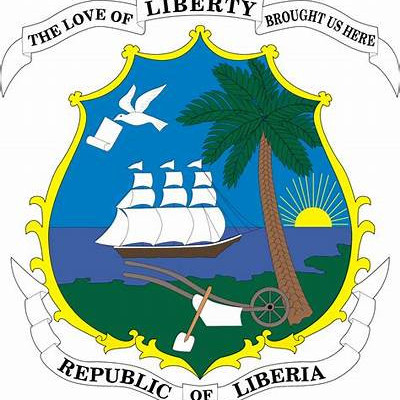
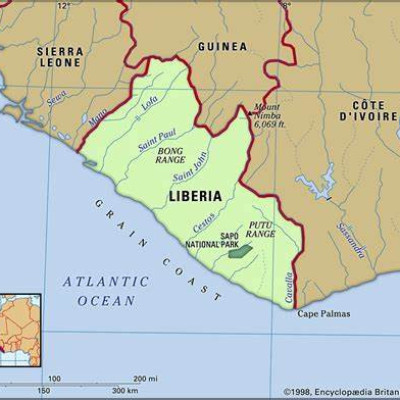
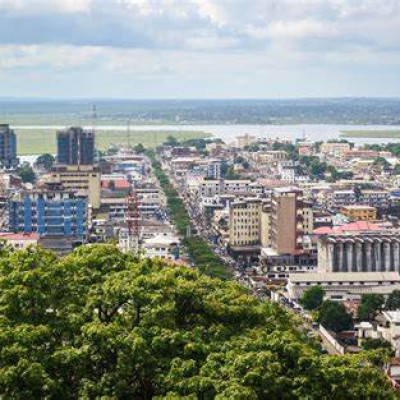
Facts about Liberia That Makes it Intriguing🇱🇷🇱🇷

1. Liberia is Africa's oldest republic founded in 1821 and the second oldest Black republic in the world after Haiti.

2. Liberia was created for freed enslaved folks and was one of the only two African countries not subjected to colonialism.

3. Liberia has produced the only African to win the FIFA best player of the year.

4. Liberia's Ellen Johnson Sirleaf was the first woman to be elected an head of state in an African country, she won the Nobel Peace Prize 2011

5. Liberia is a Latin word which means 'Land of the Free'.

6. Liberia's capital Monrovia, was named after James Monroe, the fifth president of the USA and supporter of the colonisation of Liberia by freed slaves.

7. Liberia’s flag is modelled on the USA’s. A single star symbolises Liberia’s status as the only independent Western-style state in Africa. The 11 stripes represent the number of men who signed the Liberian Declaration of Independence.

8. Liberia has one of the youngest populations in the world with the median age of its citizens just 18 years.

9. According to Liberia's constitution, you have to be Black to be a citizen.

10. Liberia has her airline bànned from all European countries.

11. In 1960 Liberia became the first black African country to be elected to the Security Council of the United Nations.
image
image
image
image
image
Me gusta
Comentario
Compartir
Nkechi Ali
Nkechi Ali
3 años

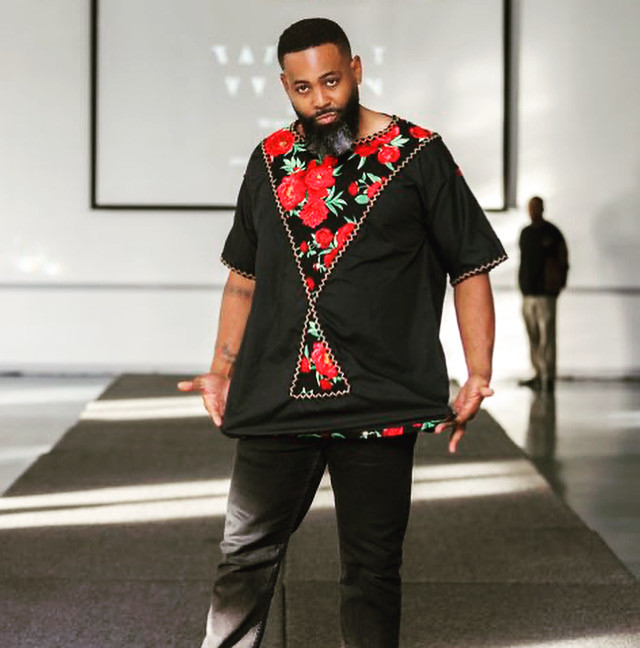
Men's African Ceremony Floral Dashiki
Worn at the We Got Next Fashion show

image
Me gusta
Comentario
Compartir
Zay Fucifino
Zay Fucifino  
3 años

Here comes movies, tv shows and plays with Black men dressed in wigs, dresses, skirts and make up acting like women...

image
Me gusta
Comentario
Compartir
Elisur Yeje
Elisur Yeje
3 años ·Youtube

Me gusta
Comentario
Compartir
Positive Vibrations
Warning: Undefined array key "showlastseen" in /home/admin/web/melanatedpeople.net/public_html/themes/melanated/layout/story/includes/header.phtml on line 439
Positive Vibrations  
3 años

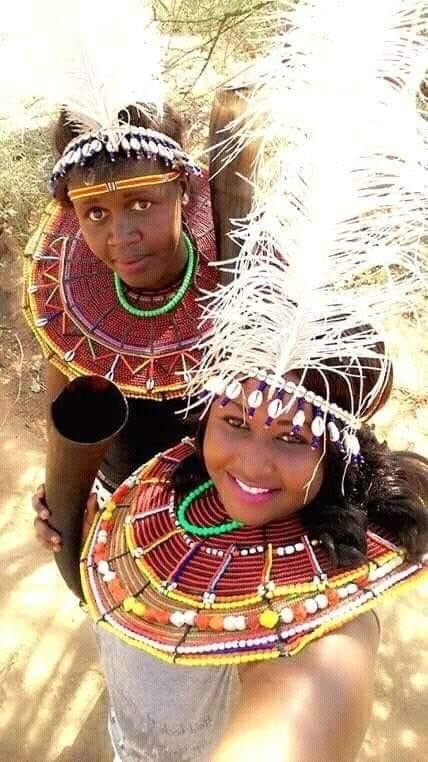
HISTORY OF AFRICAN COLLARS

Africa's fascinating bead history predates the African Trade Bead era by over 75,000 years; the first known examples found in the Blombos Cave, on the South African coast (near Capetown) in 2004. Archaeologists uncovered a wealth of ancient artifacts, including the first known beads for decorative purpose – made from the shell of ostrich eggs. This knowledge spread across the continent, and archeological finds in Libya from around 12,000 years ago show the continued mastery of the craft as it evolved throughout the ages. The cultural significance of beadwork spread to ancient Kemet by 1500 BC.

Ingqosha Collar, South Africa

The Thembu, are a group in the Eastern Cape who speak Xhosa language but are a separate tribe. After circumcision, the men wore, and still wear, skirts, turbans and a wide bead collar. A waistcoat, long necklaces, throat bands, armbands, leggings and belts are part of his regalia. The dominant colors in the beadwork are white and navy blue, with some yellow and green beads symbolizing fertility and a new life, respectively

Thembu, also spelled Tembu , a Bantu-speaking people who inhabit the upper reaches of the Mzimvubu River in Eastern province, South Africa. The Thembu speak a dialect of Xhosa, a Bantu language of the Nguni group that is closely related to Zulu.

Usekh collar, Ancient Kemet

Broad collar, Senebtisi The Usekh or Wesekh is a personal ornament, a type of broad collar or necklace, familiar to many because of its presence in images of the ancient Egyptian elite. Deities, women, and men were depicted wearing this jewelry. One example can be seen on the famous gold mask of Tutankhamun. The ancient word wsẖ can mean "breadth" or "width" in the Ancient Egyptian language and so this adornment is often referred to as the broad collar. The usekh broad collar was wrapped around and supported by the neck and shoulders. It is typically adorned with closely placed rows of colored stone beads, or it is made entirely of metal. The collars were connected with clasps of gold.

A scene in the 4th Dynasty tomb of Wepemnofret at Giza connects the usekh collar with dwarfs and the deity Ptah. Bernd Scheel has argued that Ptah, who is sometimes depicted wearing the broad collar, protects the deceased through the collar and that dwarfs had access to that protective magic because of their work making these types of collars. In the 5th Dynasty tomb chapel of Akhethotep (originally located at the Saqqara burial ground, now in the Louvre), one scene distinguishes between two types of collars: the broad collar and the šnw or "encircling" collar

The point is made, that there are similar collars in both cultures. But where did they originate, with the Kemetian north Africans or in South Africans or elsewhere in Africa?

Winnie Mandela, quoted in Sandra Klopper and André Proctor, “Through the Barrel of a Bead: The Personal and the Political in the Beadwork of the Eastern Cape,” in Ezakwantu: Beadwork from the Eastern Cape (Cape Town: South African National Gallery, 1994), p. 62.

References

1. Sandra Klopper, “From adornment to artefact to art: historical perspectives on south-east African beadwork,” in South East African Beadwork 1850–1910: From Adornment to Artefact to Art, ed. Michael Graham-Stewart, pp. 9–43 (Fernwood Press, 200.

2. Gary Van Wyk, “Illuminated Signs: Style and Meaning in the Beadwork of Xhosa- and Zulu-speaking Peoples,” African Arts, vol. 36, no. 3 (2003).​

3. Dr. Christa Clarke, "Beaded collar (ingqosha), Xhosa artist, South Africa," in Smarthistory, January 31, 2023, accessed June 9, 2023.

image
Me gusta
Comentario
Compartir
Elisur Yeje
Elisur Yeje
3 años ·Youtube

Me gusta
Comentario
Compartir
Elisur Yeje
Elisur Yeje
3 años ·Youtube

Me gusta
Comentario
Compartir
Elisur Yeje
Elisur Yeje
3 años ·Youtube

Me gusta
Comentario
Compartir
Elisur Yeje
Elisur Yeje
3 años ·Youtube

Me gusta
Comentario
Compartir
Elisur Yeje
Elisur Yeje
3 años ·Youtube

Me gusta
Comentario
Compartir
Showing 18762 out of 22324
  • 18758
  • 18759
  • 18760
  • 18761
  • 18762
  • 18763
  • 18764
  • 18765
  • 18766
  • 18767
  • 18768
  • 18769
  • 18770
  • 18771
  • 18772
  • 18773
  • 18774
  • 18775
  • 18776
  • 18777

Editar oferta

Agregar un nivel


Seleccione una imagen
Elimina tu nivel
¿Estás seguro de que quieres eliminar este nivel?

Comentarios

Para vender su contenido y publicaciones, comience creando algunos paquetes. /home/admin/web/melanatedpeople.net/public_html/themes/melanated/layout/modals/site-alerts.phtml on line 208

Warning: Trying to access array offset on value of type null in /home/admin/web/melanatedpeople.net/public_html/themes/melanated/layout/modals/site-alerts.phtml on line 208
https://melanatedpeople.net/setting&user=&page=monetization">Monetización

Pagar por billetera

Alerta de pago

Está a punto de comprar los artículos, ¿desea continuar?

Solicitar un reembolso