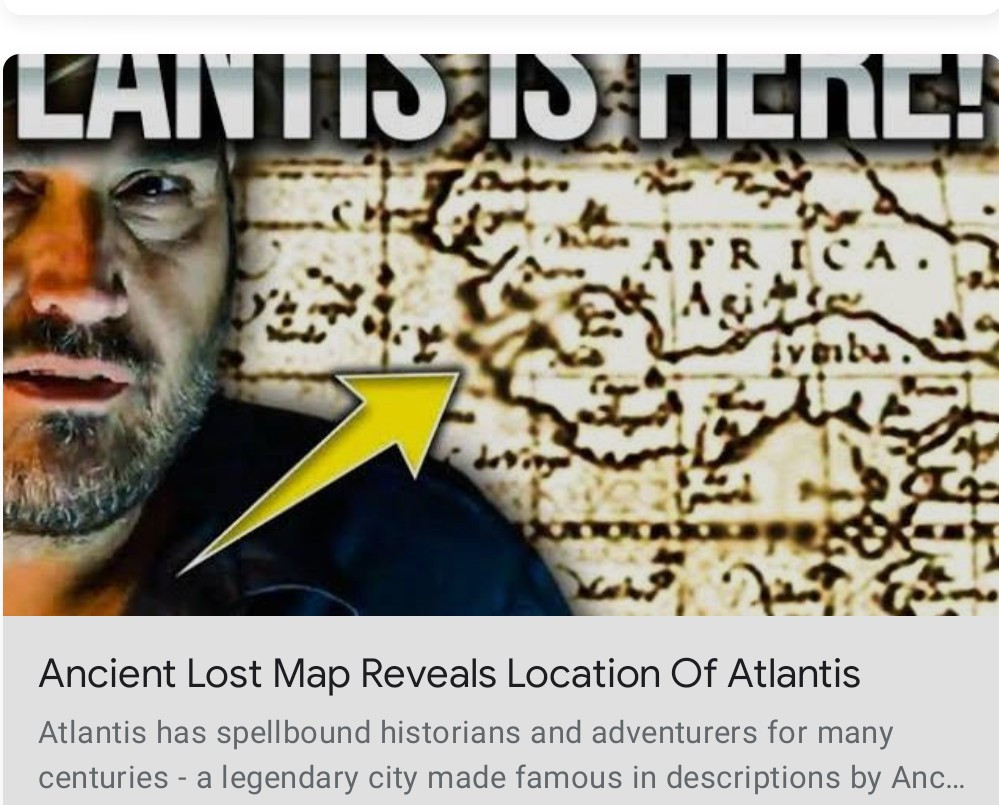
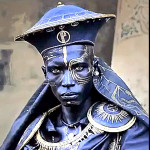
Why am I not surprised... Atlantis found in Sahara desert of course that's Africa. Now they are trying to figure out how to get to it👀
Like
Comment
Share
Why am I not surprised... Atlantis found in Sahara desert of course that's Africa. Now they are trying to figure out how to get to it👀


https://m.soundcloud.com/plati....numpistolz/before-we
^^^^^^^^^^^^^^^^^^^Wrote this song back in 2006 About the struggle young black men have to face when becoming men. They are the MAIN target of WS. 🥺
"Noone returns when they make a million, they leave thugs here to raise the children." TAKE CARE OF YOUR BOYS!!! THEY HAVE THE WHOLE WORLD AGAINST THEM! ASE!

When im in hell but my bills still gotta get paid
The bank came after my black self for their overdraft of $4.40, and that overdraft fee was $35.00. Mofo wipipo have it easy...Smh



She called her son "deer meat?" 👀 tf you saying...
Defund Facebook!!!
Consistently beating them in their own systems
DO YOU KNOW WHO WE ARE???