
ok so the app is working again, but not showing up in play store🤣
Like
Comment
Share
ok so the app is working again, but not showing up in play store🤣



For anyone hunting for a discounted copy of Silksong, a DLC, or a similarly demanding action-platformer, DealNest is worth a look. It gathers current offers in one place, so you can browse game deals today(https://dealnesthq.com/ ) before deciding where to spend your Geo—or your real-world currency.

探討日本煙油流行口味與消費者偏好
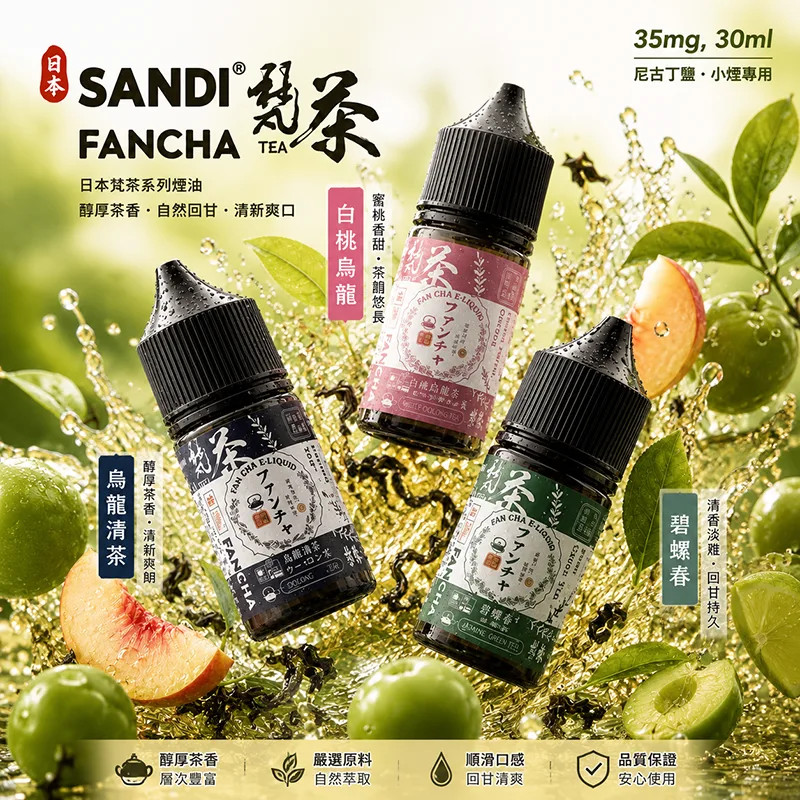
日本煙油 https://www.japanwjuicec.com/ 的流行口味以其多樣化而受到許多消費者的喜愛,其中甜味和水果味尤其受歡迎。這些口味不僅能夠滿足使用者的味蕾需求,還能提供愉悅的吸食體驗。特別是芒果與草莓這兩種口味,經常成為煙油產品的明星選擇。此外,清新薄荷味也吸引了不少尋求清新口感的消費者,成為另一個熱門選擇。在這背後,消費者對於日本煙油的口味偏好和選擇有著怎樣的趨勢呢?讓我們深入探討。
日本煙油的熱門口味是什麼?
許多研究顯示,甜味和水果味在日本 煙油 https://www.japanwjuicec.com/ 市場中是最受歡迎的選擇。尤其是芒果和草莓,這兩個口味因為其自然甜美的特性,常常成為消費者的首選。這類口味能夠帶給吸食者愉悅的享受,尤其是在炎熱的夏季。
同時,清新薄荷味也受到眾多使用者的青睞,適合那些想要體驗清新口感的人。薄荷的清香不僅能清新口腔,還有助於提升吸食的愉悅感。
這些口味適合哪類消費者?
喜愛甜食的年輕族群通常偏好水果口味煙油,因為這些口味能夠帶來甜美的享受,適合喜愛嘗試新事物的年輕人。而尋求清新感的使用者則更傾向於薄荷或綠茶口味,這些口味能夠提供獨特的吸食體驗,適合在工作或休閒時享用。
口味 目標消費者
芒果 / 草莓 喜愛甜食的年輕族群
薄荷 / 綠茶 尋求清新感的使用者
消費者對煙油品質的重視程度?
隨著市場的變化,消費者對煙油的品質越來越關心。他們開始重視產品的成分和來源,並更偏好知名品牌,以確保產品的安全性。此外,許多人在選擇煙油時會考量產品是否通過安全檢測以及有無添加劑,這成為消費者選購的重要指標。
這種趨勢顯示出消費者越來越成熟,他們願意花時間研究產品,選擇對健康較為友好的產品。
有哪些口味不受歡迎,為什麼?
雖然市場上有許多創新口味,但仍有一些口味並不受消費者青睞。例如,過於重口味或使用人工香料的煙油往往不受青睞,這些產品可能會讓使用者感到不適,甚至影響整體吸食體驗。
此外,一些傳統口味,如煙草味,對年輕族群的吸引力較低,這也反映了新一代消費者的口味偏好正在轉變。
日本煙油市場的趨勢與未來預測
隨著電子煙使用者的增加,市場對新口味的需求也在上升。許多品牌開始推出創新口味,以吸引不同的消費者群體。根據市場動態,未來可能會出現更多獨特口味,如搭配季節性的水果或是混合風味,這使得煙油市場充滿了無限的可能性。
總之,對於喜愛日本電子煙油 https://www.japanwjuicec.com/ 的消費者來說,選擇適合自己的口味不僅能增添吸食的樂趣,還能使整體體驗更為愉悅。
LANA拋棄式電子煙使用體驗分享:煙量與口感全解析
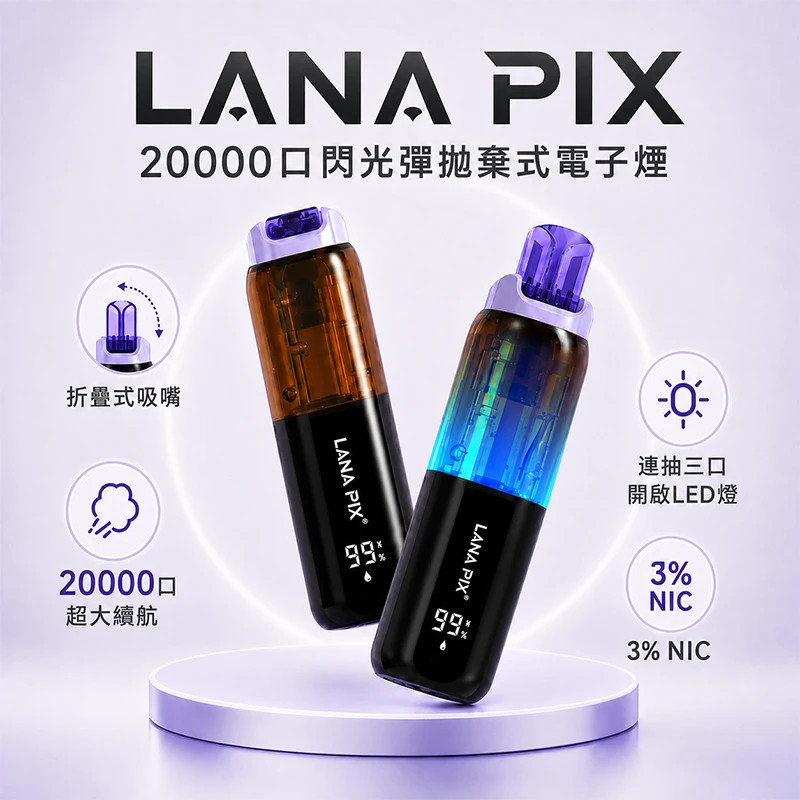
在近年電子煙市場快速發展的背景下,拋棄式產品因其便利性與即開即用的特性,逐漸成為許多用戶的首選。其中,LANA拋棄式電子煙 https://www.lanadisposablez.com/ 憑藉穩定的性能與多樣化口味,受到不少使用者關注。本文將從煙量、口感以及整體使用體驗三個面向,深入解析LANA拋棄式電子煙的實際表現。
首先,在煙量方面,LANA拋棄式 https://www.lanadisposablez.com/ 電子煙整體表現屬於中高水準。其霧化系統輸出穩定,每一口煙霧都相對飽滿,不會出現忽大忽小的情況。實際使用中,多數用戶反映其煙霧濃度足以滿足日常需求,尤其在高口數版本(如5000口或8000口)中,煙量表現更為明顯。部分機型甚至透過模式調節,能進一步提升煙霧輸出,讓整體吸入體驗更具層次感 。此外,穩壓設計也讓煙霧輸出在電量下降時依然保持一致,不易出現後期衰減的問題 。
其次是口感表現,這也是LANA一次性電子煙 https://www.lanadisposablez.com/ 的一大亮點。其吸阻設計偏向中等,既不會過於緊繃,也不會過於鬆散,對於新手與老用戶來說都相當友好。實際體驗中,擊喉感柔順且不刺激,能模擬傳統吸煙的感受,同時避免過度嗆喉的不適 。在風味方面,LANA拋棄式電子煙主打濃鬱與層次感兼具的調性,水果、飲品與茶類口味均有不錯表現,例如葡萄、芒果或茶香系列,普遍被認為還原度高且不易膩口 。另外,臺灣市場偏好冰感與甜味,LANA在這方面的調配也相當貼合主流口味 。
再來談整體使用體驗,LANA拋棄式電子煙延續了拋棄式產品的最大優勢——簡單方便。多數機型採用無按鍵設計,只需吸氣即可啟動,無需額外設定,對於追求輕鬆使用的族群來說非常友善 。此外,其機身設計通常兼顧手感與攜帶性,不論日常外出或旅行使用都相當便利。續航方面,不同口數版本可對應不同使用需求,從輕度用戶到重度使用者皆能找到適合的選擇。
綜合來看,LANA拋棄式電子煙在煙量、口感與便利性之間取得了良好平衡。煙霧輸出穩定、口味表現豐富且順口,再加上即開即用的設計,使其成為不少人日常替代方案之一。不過,選擇時仍建議依照個人使用頻率與口味偏好挑選適合的口數與風味,才能獲得最佳體驗。
總體而言,若你正在尋找一款兼具煙量表現與口感細膩度的產品,LANA拋棄式電子煙確實是一個值得考慮的選擇。
Hey
戒煙棒不再痛苦!果味替煙棒新選擇
對許多長期吸煙者來說,真正困難的不是「想戒」,而是「戒的過程太痛苦」。突然中斷習慣後的焦躁感、手口空虛感,以及反覆想抽的衝動,往往讓戒煙計畫一次次失敗。近年來,一種更溫和的替代方式逐漸被關注——以果味吸棒 https://www.khy-uk.com/ 為核心的過渡型選擇,讓減少依賴變得更容易接受。
與傳統強制戒斷不同,果味草本替煙棒 https://www.khy-uk.com/ 主打的是「循序漸進替代」。透過模擬手持與吸入的習慣動作,再結合清新的果香體驗,幫助使用者在心理與行為層面上逐步脫離對香煙的依賴。對於剛開始嘗試戒煙的人來說,這種方式更不容易產生強烈抗拒感,也更符合日常習慣延續。
在眾多替代產品中,漢宮草本果味吸棒 https://www.khy-uk.com/ 逐漸受到關注。它以草本配方結合果味設計,強調清新口感與低刺激體驗,適合作為日常替代工具使用。不少使用者表示,在減少香煙攝取的過程中,它能有效緩解「想抽一口」的衝動,讓過渡期變得更穩定。
從使用角度來看,這類產品更像是一種心理與行為輔助工具,而非單純的替代品。戒煙棒的概念本質上是幫助使用者重建習慣節奏,在減少尼古丁依賴的同時,保留一定的手部與口部動作滿足感,降低戒斷焦慮。
隨著市場需求增加,各種果味替煙產品層出不窮,其中也包含標榜「低門檻戒菸輔助」的戒菸神器 https://www.khy003.com/ 類型產品。這些產品的共同特點,是強調輕鬆過渡,而不是一次性強制停止,讓使用者能根據自身節奏逐步調整吸煙頻率。
整體來看,戒煙並沒有唯一標準答案。對部分人而言,直接停止可能有效;但對更多人來說,透過果味替煙棒 https://www.khy003.com/ 這類替代方式,反而更容易持續堅持。像果味替煙棒這類產品,提供的不只是口感替代,更是一種降低心理壓力的過渡方案。
戒煙的關鍵不在於「快」,而在於「穩」。當方法變得溫和、可接受,成功率自然也會隨之提升。
KIS5拋棄式電子煙新手指南:第一次使用就上手
對於剛接觸拋棄式設備的新手來說,選擇一款操作簡單、穩定輸出的產品非常重要。本篇將以入門角度帶你快速瞭解如何正確使用KIS5系列,讓第一次使用也能順暢上手,避免常見問題。
首先,許多用戶會選擇KIS5拋棄式 https://www.kis5disposable6z5.com/ ,主要原因在於它免充電、免加油,開盒即可使用,非常適合初學者或臨時替代需求。使用前只需確認包裝完整,取出設備後即可直接吸入啟動,無需複雜設定。
在續航與容量方面,市場上常見的KIS5拋棄式6500 https://www.kis5disposable6z5.com/ 版本,通常主打高口數設計,能滿足較長時間的使用需求。對於不想頻繁更換設備的使用者來說,是相對省心的選擇。
實際操作上,KIS5 6500 https://www.kis5disposable6z5.com/ 採用感應啟動設計,吸氣即啟動霧化,不需要按鍵操作。新手只需注意吸入節奏,保持穩定小口吸入即可獲得更順暢的體驗,避免過急或過長吸入造成不適。
此外,在使用過程中,KIS5一次性電子煙 https://www.kis5disposable6z5.com/ 的優勢在於便攜性高,體積小巧,適合外出攜帶。但也建議使用者避免高溫環境存放,並遠離水源,以確保設備穩定性與使用壽命。
對於新手來說,還有幾個小技巧可以提升體驗:例如首次使用前先靜置幾分鐘讓霧化芯充分浸潤;使用時避免連續長抽;若出現口感變淡,即代表設備即將使用完畢。
總結來說,KIS5系列以簡單操作與穩定輸出為主要優勢,無論是初次嘗試還是日常替換使用,都能提供相對順暢的體驗。只要掌握基本使用方式,就能輕鬆上手,享受穩定一致的使用感受。

TECHBOTZ ENTERTAINMENT is active 24/7